Shan-de Ding
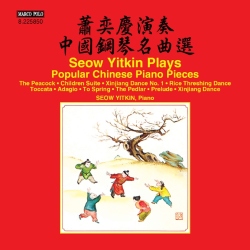
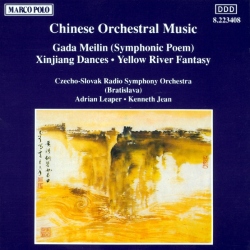
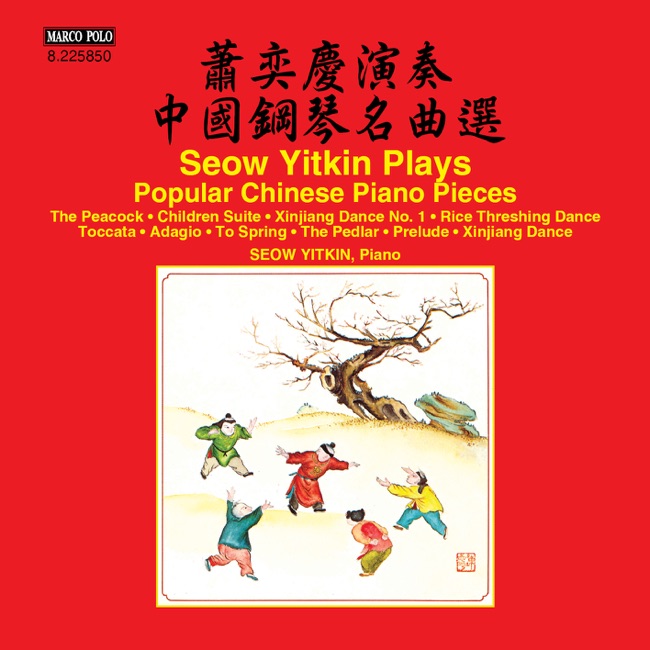
Xinjiang Dance No. 1
Released Album
Recent Album
Works Info
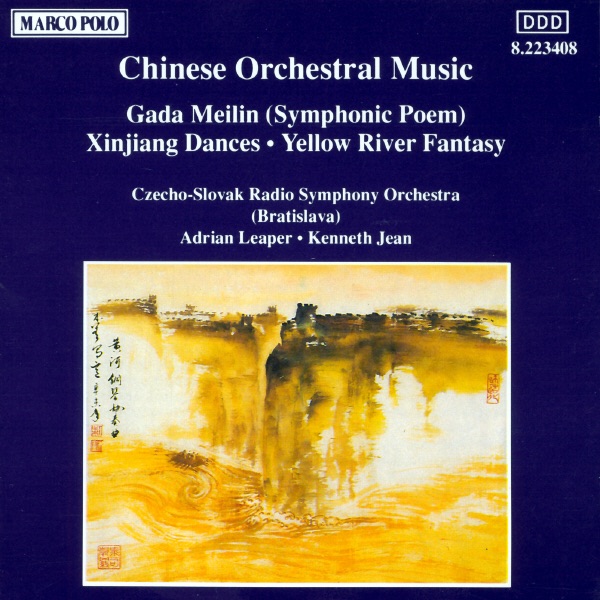
Composer:Shan-de DingGenre:OrchestralStyle:OrchestralAverage_duration:5:08Xinjiang Dance No. 1 is a classical Chinese dance composition by Shan-de Ding. It was composed in 1952 and premiered in the same year in Beijing, China. The composition is divided into three movements, each with its own unique characteristics. The first movement of Xinjiang Dance No. 1 is titled "The Dance of the Uyghur People." It is a lively and energetic dance that reflects the joy and vitality of the Uyghur people, an ethnic group from the Xinjiang region of China. The music is characterized by fast-paced rhythms and intricate melodies that are reminiscent of traditional Uyghur folk music. The dancers wear colorful costumes and perform intricate footwork and hand gestures that are typical of Uyghur dance. The second movement of Xinjiang Dance No. 1 is titled "The Dance of the Kazakh People." It is a slower and more contemplative dance that reflects the rugged beauty of the Kazakh people, another ethnic group from the Xinjiang region. The music is characterized by haunting melodies and a sense of melancholy that is typical of Kazakh folk music. The dancers wear simple costumes and perform slow, graceful movements that are reminiscent of the vast, open landscapes of the Xinjiang region. The third and final movement of Xinjiang Dance No. 1 is titled "The Dance of the Mongolian People." It is a powerful and dynamic dance that reflects the strength and resilience of the Mongolian people, yet another ethnic group from the Xinjiang region. The music is characterized by bold, driving rhythms and soaring melodies that are typical of Mongolian folk music. The dancers wear elaborate costumes and perform acrobatic movements that are reminiscent of the nomadic lifestyle of the Mongolian people. Overall, Xinjiang Dance No. 1 is a masterful composition that showcases the rich cultural heritage of the Xinjiang region of China. Through its three movements, it celebrates the diversity and vitality of the Uyghur, Kazakh, and Mongolian people, and their unique contributions to the cultural tapestry of China.More....
Works Music
Released Music