Constantijn Huygens
Tu te trompes Philis
Released Album
Recent Album
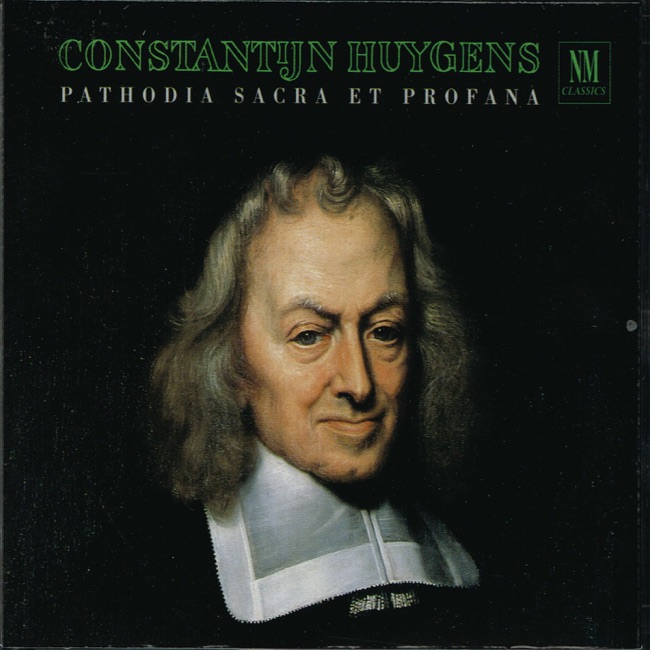
Featured Album
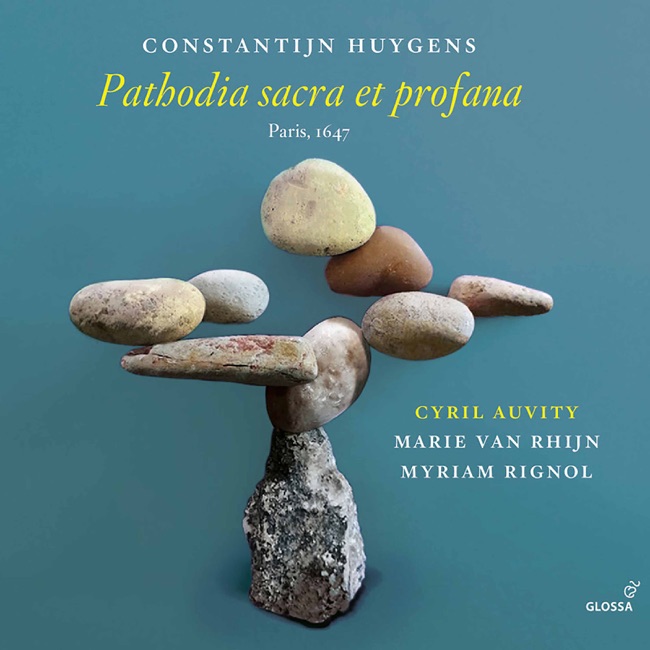
Works Info
Composer:Constantijn HuygensGenre:VocalStyle:Vocal MusicAverage_duration:1:24"Tu te trompes Philis" is a French air composed by Constantijn Huygens, a Dutch poet and composer, in the early 17th century. The exact date of composition is unknown, but it is believed to have been written around 1620. The air was first performed in the court of Prince Maurice of Nassau, where Huygens was serving as a diplomat. The air is written in a simple, strophic form, with a repeating melody and lyrics that change with each verse. It is scored for a solo voice and continuo, with the accompaniment provided by a harpsichord or organ. The text of the air is a playful dialogue between two lovers, in which the woman accuses the man of being unfaithful, and the man responds with a series of witty retorts. The air is divided into three movements, each with its own distinct character. The first movement is marked by a lively, dance-like rhythm, with the melody skipping and leaping over the accompaniment. The second movement is slower and more contemplative, with the melody unfolding in long, flowing phrases. The third movement returns to the lively, dance-like rhythm of the first, bringing the air to a joyful conclusion. One of the most striking characteristics of "Tu te trompes Philis" is its use of word-painting, in which the music reflects the meaning of the text. For example, in the first movement, the melody jumps and skips over the words "tu te trompes", emphasizing the playful, teasing nature of the dialogue. In the second movement, the long, flowing phrases of the melody reflect the more serious, introspective tone of the text. Overall, "Tu te trompes Philis" is a charming and delightful example of early Baroque music, showcasing Huygens' skill as both a poet and a composer. Its playful lyrics, lively rhythms, and inventive word-painting make it a favorite of singers and audiences alike.More....