Jean Sibelius
Adagio & Fugue in D minor
Released Album
Recent Album
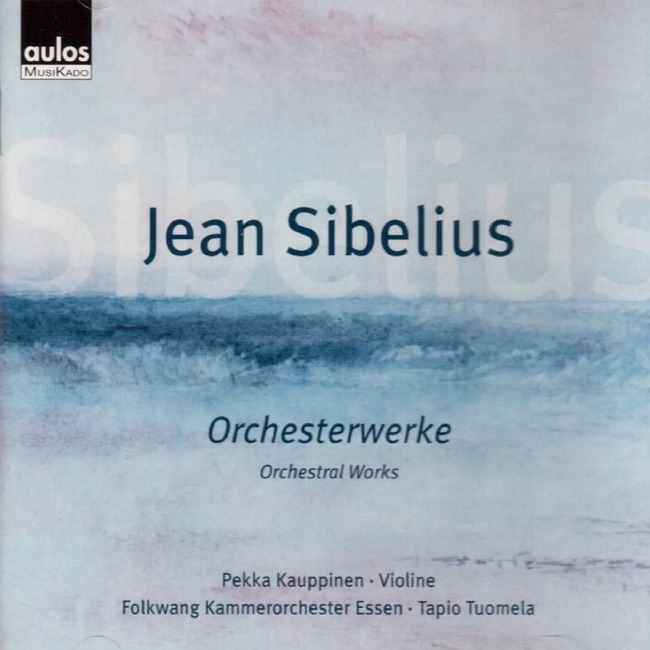
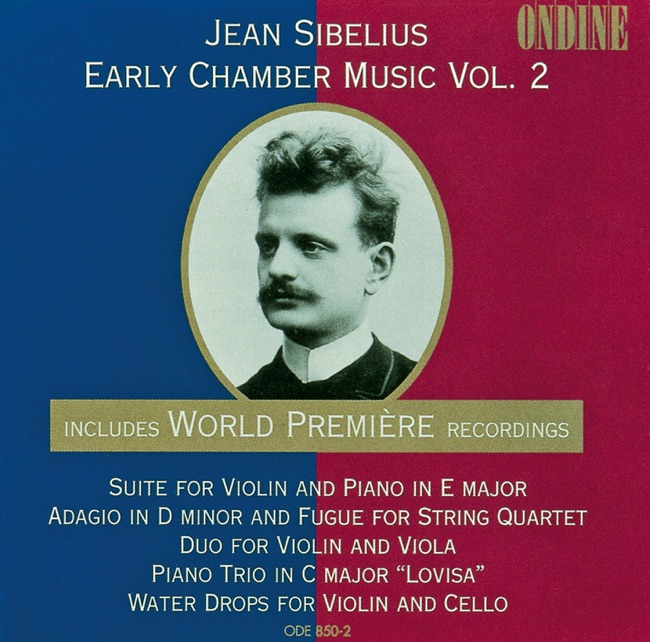
Featured Album
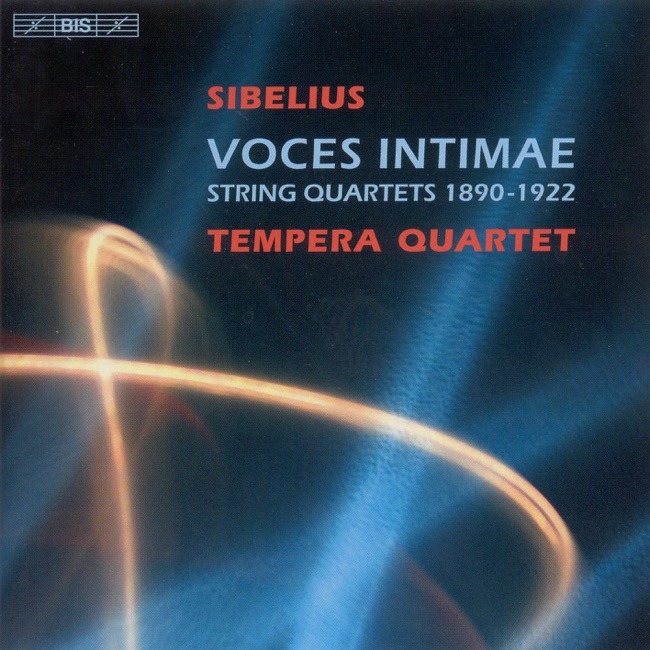
Works Info
Composer:Jean SibeliusGenre:ChamberStyle:QuartetCompose Date:1890Average_duration:12:57Jean Sibelius composed his 'Adagio & Fugue in D minor' in 1906. The piece was premiered on October 10, 1906, in Helsinki, Finland, conducted by the composer himself. The work is divided into two movements, the first being an Adagio and the second a Fugue. The Adagio begins with a somber and melancholic melody played by the strings. The theme is then passed on to the woodwinds, creating a sense of longing and sadness. The music gradually builds up in intensity, with the brass section joining in, creating a powerful and emotional climax. The movement ends with a return to the original theme, played softly by the strings, bringing the piece to a peaceful and serene conclusion. The Fugue, on the other hand, is a more complex and intricate movement. It begins with a single voice playing a theme, which is then repeated and developed by other voices. The music builds up in intensity, with the different voices interweaving and overlapping, creating a sense of tension and excitement. The fugue reaches its climax with a powerful and majestic statement of the theme by the full orchestra. The movement ends with a return to the original theme, played softly by the strings, bringing the piece to a satisfying and conclusive end. The 'Adagio & Fugue in D minor' is a prime example of Sibelius's mastery of orchestration and his ability to create powerful and emotional music. The piece is characterized by its use of rich harmonies, complex textures, and dramatic contrasts. The Adagio is a poignant and introspective movement, while the Fugue is a more dynamic and energetic piece. Together, they create a work that is both emotionally powerful and intellectually stimulating.More....
Works Music
Released Music

Featured Music