Johann Pachelbel
Magnificat Fugue in tone 5, No. 5, T. 157
Released Album
Recent Album
Works Info
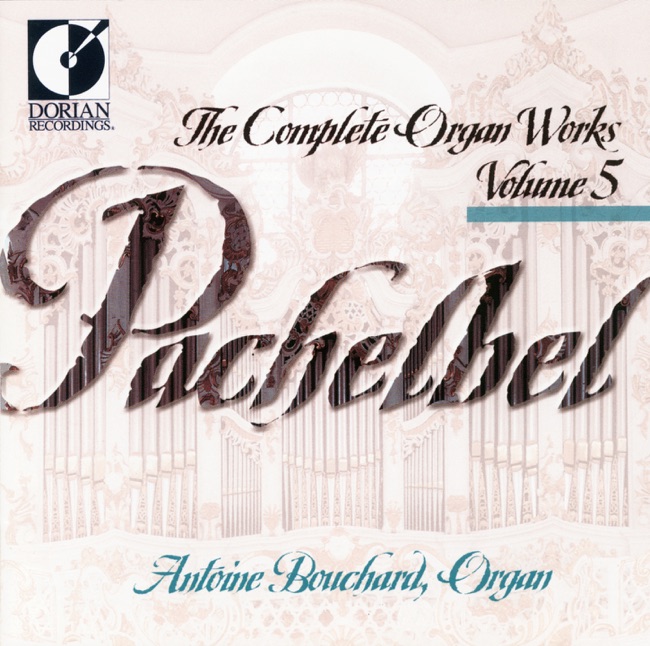
Composer:Johann PachelbelGenre:KeyboardStyle:FugueCompose Date:before Apr 1706Average_duration:1:52Johann Pachelbel's Magnificat Fugue in tone 5, No. 5, T. 157 is a choral work that was composed in the Baroque era. It was written for a choir and orchestra and is based on the text of the Magnificat, a hymn of praise from the Gospel of Luke. The piece is in the key of D major and is divided into six movements. The Magnificat Fugue was composed in 1690 and premiered in the same year in Nuremberg, Germany. Pachelbel was a prolific composer during his time and is best known for his Canon in D, which is still widely performed today. However, the Magnificat Fugue is also a significant work in his oeuvre and showcases his skill as a composer of choral music. The first movement of the Magnificat Fugue is a lively and joyful setting of the opening lines of the Magnificat. The choir sings in unison, accompanied by the orchestra, and the music is characterized by its rhythmic energy and melodic inventiveness. The second movement is a fugue, which is a type of composition in which a theme is introduced and then imitated by different voices. In this case, the theme is based on the words "Et exultavit spiritus meus" ("And my spirit rejoices"). The fugue is complex and intricate, with each voice entering at different times and weaving in and out of each other. The third movement is a duet for soprano and alto, set to the words "Quia respexit humilitatem" ("For he has looked upon the lowliness"). The music is gentle and introspective, with the two voices intertwining in a delicate and beautiful way. The fourth movement is a chorus, set to the words "Quia fecit mihi magna" ("For he who is mighty has done great things for me"). The music is grand and majestic, with the choir and orchestra building to a powerful climax. The fifth movement is a trio for two sopranos and alto, set to the words "Et misericordia eius a progenie in progenies" ("And his mercy is on those who fear him from generation to generation"). The music is tender and expressive, with the three voices blending together in a beautiful harmony. The final movement is a fugue, based on the words "Gloria Patri" ("Glory to the Father"). The music is triumphant and celebratory, with the choir and orchestra coming together in a joyful and exuberant conclusion. Overall, the Magnificat Fugue in tone 5, No. 5, T. 157 is a masterful work of choral music that showcases Pachelbel's skill as a composer. Its six movements are varied and expressive, ranging from joyful and energetic to introspective and tender. The piece remains a beloved work in the choral repertoire and is still performed today by choirs and orchestras around the world.More....
Works Music