Franz Joseph Haydn
String Quartet in C major, Op. 3/2, H. 3/14
Released Album
Recent Album
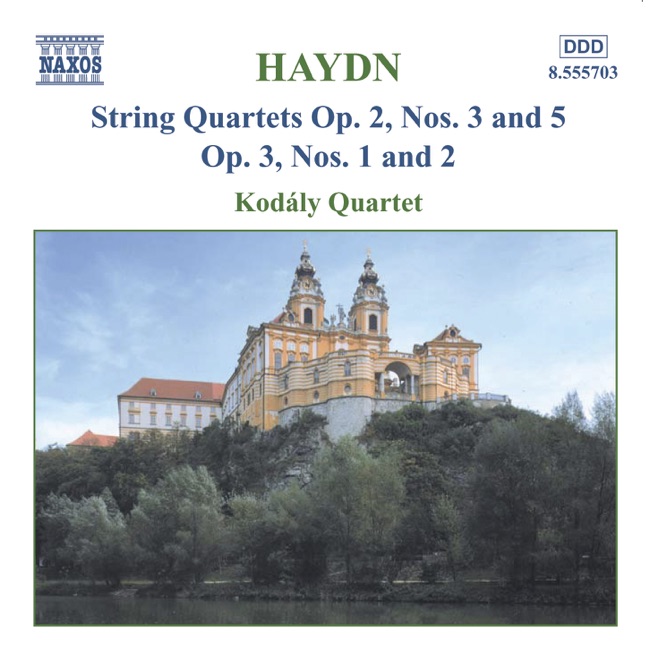
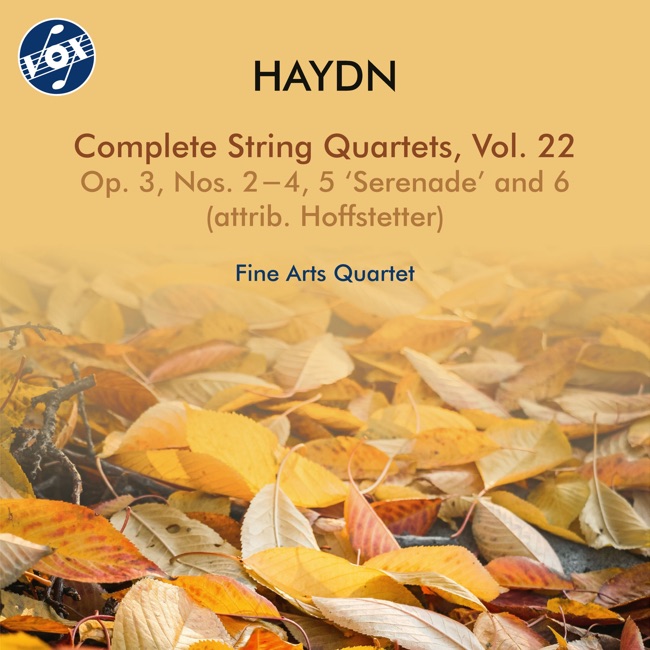
Works Info
Composer:Franz Joseph HaydnGenre:ChamberStyle:Chamber MusicAverage_duration:18:03Movement_count:3Movement ....Franz Joseph Haydn's String Quartet in C major, Op. 3/2, H. 3/14, was composed in 1762 and premiered in Vienna. The quartet consists of four movements: Allegro, Minuet and Trio, Adagio, and Finale: Presto. The first movement, Allegro, is in sonata form and begins with a lively and energetic theme played by the first violin. The second theme is more lyrical and played by the second violin. The development section explores both themes and ends with a recapitulation of the main themes. The second movement, Minuet and Trio, is in the traditional ABA form. The minuet is a graceful dance in triple meter, while the trio section is more subdued and features a solo for the first violin. The third movement, Adagio, is a slow and expressive piece that showcases the quartet's ability to play with sensitivity and emotion. The first violin takes the lead in this movement, with the other instruments providing a delicate accompaniment. The final movement, Finale: Presto, is a lively and playful piece that brings the quartet to a rousing conclusion. The movement features a fast and intricate interplay between the four instruments, with each taking turns to shine. Overall, Haydn's String Quartet in C major, Op. 3/2, H. 3/14, is a prime example of his early quartet writing. The quartet is characterized by its clear and concise melodies, balanced harmonies, and skillful use of counterpoint. It is a testament to Haydn's mastery of the string quartet form and his ability to create music that is both technically impressive and emotionally engaging.More....
Works Music
Released Music