


Guillaume de Machaut
Quant en moy/Amour et biaute/Amara Valde
Released Album
Recent Album
Works Info
Composer:Guillaume de MachautGenre:ChoralStyle:MotetAverage_duration:3:14Guillaume de Machaut was a French poet and composer of the 14th century. He is considered one of the most important composers of the Ars Nova style, which was characterized by complex rhythms and harmonies. One of his most famous works is "Quant en moy/Amour et biaute/Amara Valde," a three-part motet that showcases his mastery of the genre. "Quant en moy/Amour et biaute/Amara Valde" was composed around 1350 and premiered in the court of King John II of France. The motet is divided into three movements, each with its own distinct characteristics. The first movement, "Quant en moy," is a monophonic chant that sets the tone for the entire piece. It is a lamentation on the pain of love and the longing for the beloved. The melody is simple and plaintive, with a repetitive rhythm that emphasizes the emotional intensity of the text. The second movement, "Amour et biaute," is a polyphonic setting of a love poem. The three voices weave in and out of each other, creating a complex web of harmonies and rhythms. The text celebrates the beauty and power of love, and the music reflects this with its intricate interplay of voices. The final movement, "Amara Valde," is a polyphonic setting of a Latin hymn. The text is a prayer for mercy and forgiveness, and the music is solemn and contemplative. The three voices blend together in a rich tapestry of sound, creating a sense of unity and harmony. Overall, "Quant en moy/Amour et biaute/Amara Valde" is a masterpiece of the Ars Nova style. It showcases Machaut's skill as a composer and his ability to create complex, emotionally powerful music. The motet is a testament to the enduring power of love and the human spirit, and it remains a beloved work of classical music to this day.More....
Works Music
Released Music
1
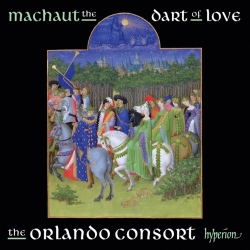
Quant en moi/Love and beauty/Amara Valde
Quant en moy / Amour et biauté parfaite / Amara valde, motet 1 3vv
3:50
3
3:40
4
3:39