André Jolivet
Sonatine for oboe & bassoon
Released Album
Recent Album
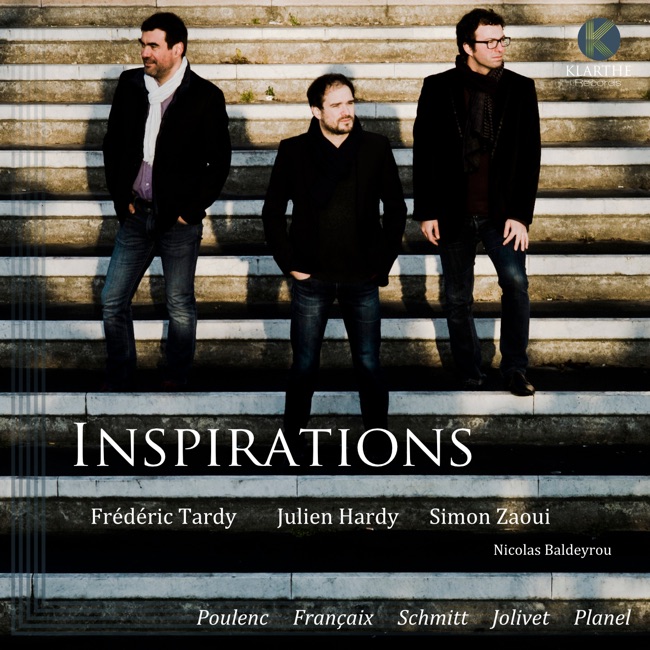
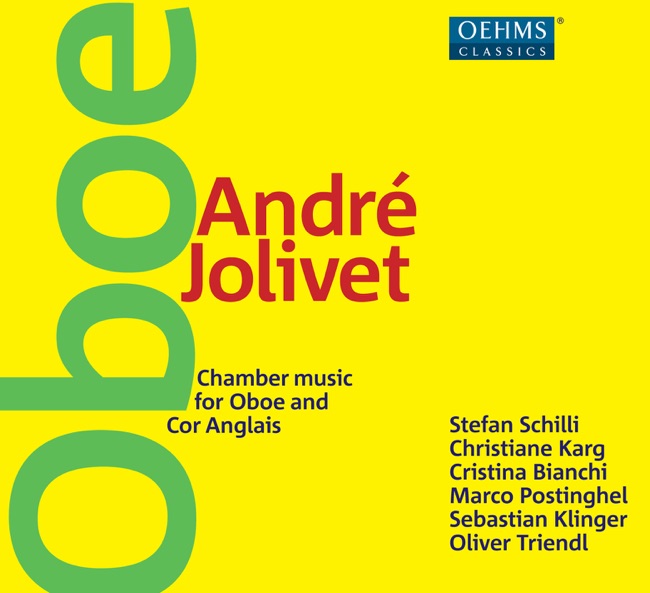
Featured Album

Works Info
Composer:André JolivetGenre:ChamberStyle:SonatinaCompose Date:1963Average_duration:7:17André Jolivet's Sonatine for oboe and bassoon was composed in 1961 and premiered on May 17, 1962, in Paris. The piece consists of three movements: Allegro, Andante, and Vivace. The first movement, Allegro, begins with a lively and rhythmic theme played by the oboe, which is then echoed by the bassoon. The two instruments engage in a playful dialogue, with the oboe taking the lead in the development of the theme. The movement ends with a brief recapitulation of the opening theme. The second movement, Andante, is more introspective and lyrical. The oboe introduces a melancholic melody, which is then taken up by the bassoon. The two instruments engage in a delicate and expressive duet, with the oboe taking the lead in the development of the theme. The movement ends with a gentle and peaceful coda. The final movement, Vivace, is a lively and energetic dance. The oboe and bassoon engage in a playful and virtuosic dialogue, with each instrument taking turns in the spotlight. The movement is characterized by its rhythmic vitality and exuberant energy, and it ends with a lively and triumphant coda. Jolivet's Sonatine for oboe and bassoon is characterized by its inventive use of rhythm, harmony, and timbre. The composer employs a wide range of extended techniques, such as flutter-tonguing, multiphonics, and glissandi, to create a rich and varied sonic palette. The piece also showcases Jolivet's interest in non-Western musical traditions, with its use of modal scales and exotic rhythms. Overall, Jolivet's Sonatine for oboe and bassoon is a virtuosic and engaging work that showcases the expressive and technical capabilities of these two instruments.More....
Works Music
Released Music
Featured Music