Alexander Scriabin
Mazurka for piano in F major
Released Album
Recent Album


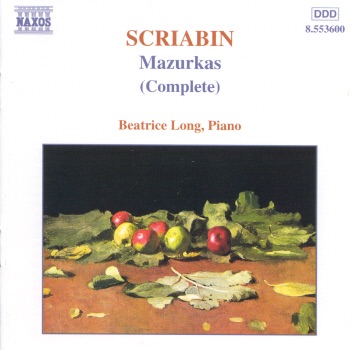
Featured Album
Works Info
Composer:Alexander ScriabinGenre:KeyboardStyle:MazurkaCompose Date:ca. 1889Average_duration:2:38Alexander Scriabin was a Russian composer and pianist who lived from 1872 to 1915. He was known for his innovative and experimental approach to music, which often incorporated elements of mysticism and spirituality. One of his most famous works is the Mazurka for piano in F major, which was composed in 1903. The Mazurka for piano in F major is a short piece that is approximately two minutes in length. It is written in the traditional Mazurka form, which is a Polish folk dance that is characterized by its lively tempo and triple meter. The piece is composed of three distinct sections, or movements, each of which has its own unique characteristics. The first movement of the Mazurka for piano in F major is marked Allegretto and is written in F major. It begins with a lively and energetic melody that is played in the right hand, while the left hand provides a steady accompaniment. The melody is then repeated with slight variations, and the piece gradually builds in intensity until it reaches a climactic point. The second movement of the Mazurka for piano in F major is marked Andante and is written in D-flat major. It is a slower and more introspective section that provides a contrast to the lively first movement. The melody is played in the right hand, while the left hand provides a simple accompaniment. The section is characterized by its use of chromaticism and its dreamy, ethereal quality. The third and final movement of the Mazurka for piano in F major is marked Allegro and is written in F major. It is a return to the lively and energetic style of the first movement, and features a fast and intricate melody that is played in both hands. The piece ends with a flourish, bringing the Mazurka to a satisfying conclusion. Overall, the Mazurka for piano in F major is a lively and energetic piece that showcases Scriabin's skill as a composer. It is characterized by its use of traditional Mazurka form, as well as its incorporation of chromaticism and other experimental elements. The piece premiered in 1903 and has since become a beloved work in the piano repertoire.More....
Works Music
Released Music


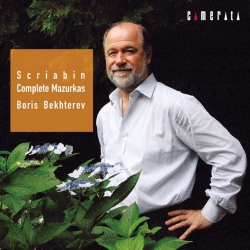
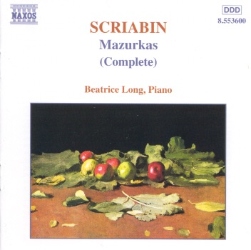
Featured Music