Franz Joseph Haydn
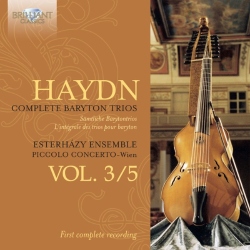
Baryton Trio in D major, H. 11/64
Works Info
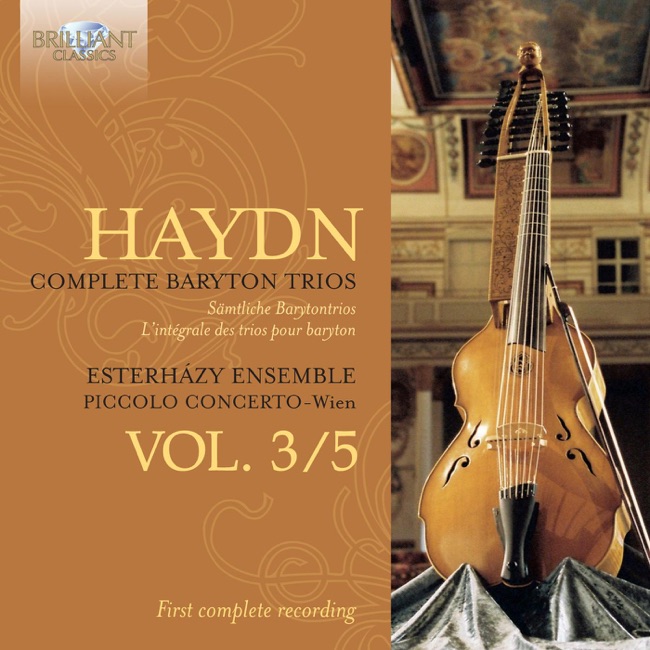
Composer:Franz Joseph HaydnGenre:ChamberAverage_duration:8:26Movement_count:2Movement ....Franz Joseph Haydn's Baryton Trio in D major, H. 11/64, was composed in the late 1760s for Prince Nikolaus Esterházy, who was an avid player of the baryton, a stringed instrument similar to the viola da gamba. The trio is scored for baryton, viola, and cello, and is one of several works Haydn composed for this unusual combination of instruments. The Baryton Trio in D major is comprised of three movements: a lively Allegro, a graceful Andante, and a spirited Allegro molto. The first movement opens with a lively theme played by the baryton, which is then taken up by the viola and cello. The music is characterized by its rhythmic energy and playful interplay between the three instruments. The second movement is more lyrical in nature, with a beautiful melody played by the baryton accompanied by the viola and cello. The final movement is a lively dance-like piece, with a catchy theme that is passed between the three instruments. One of the most distinctive features of the Baryton Trio in D major is the prominent role played by the baryton. Haydn was a master of writing for this instrument, and he takes full advantage of its unique capabilities in this trio. The baryton is often given the melody, while the viola and cello provide accompaniment. However, Haydn also uses the baryton to create complex harmonies and counterpoint, which adds depth and richness to the music. Overall, the Baryton Trio in D major is a charming and delightful work that showcases Haydn's skill as a composer and his ability to write for unusual instrumental combinations. It was premiered at the Esterházy court in the late 1760s, and has since become a beloved piece in the chamber music repertoire.More....