Thomas Tallis
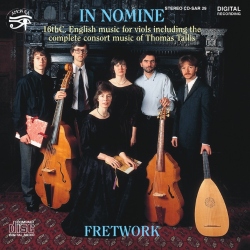
In Nomine (II)
Released Album
Recent Album
Works Info
Composer:Thomas TallisGenre:ChamberStyle:Chamber MusicAverage_duration:2:53Thomas Tallis was a prominent English composer of the Renaissance period, known for his sacred choral music. One of his most famous works is the "In Nomine (II)," which was composed in the 16th century. The "In Nomine (II)" is a piece of instrumental music that was originally written for a consort of viols. It is believed to have been composed around 1570, during the reign of Queen Elizabeth I. The piece is part of a larger collection of works known as the "In Nomine" pieces, which were popular in England during the Renaissance. The "In Nomine (II)" is a four-part composition that is divided into six movements. The first movement is a slow and solemn introduction, which sets the tone for the rest of the piece. The second movement is a lively and rhythmic section that features intricate counterpoint between the different parts. The third movement is a slower and more contemplative section, which features a beautiful melody that is passed between the different parts. The fourth movement is a lively and energetic section that features a complex interplay between the different parts. The fifth movement is a slower and more introspective section, which features a haunting melody that is played by the viola da gamba. The final movement is a lively and joyful section that brings the piece to a rousing conclusion. One of the most distinctive characteristics of the "In Nomine (II)" is its use of the "In Nomine" theme, which is a musical motif that was popular in England during the Renaissance. The theme is based on a plainchant melody that was used in the Catholic Mass, and it was often used as a basis for instrumental compositions. Tallis uses the "In Nomine" theme throughout the piece, weaving it in and out of the different movements and using it as a unifying element. Overall, the "In Nomine (II)" is a beautiful and complex piece of music that showcases Tallis's skill as a composer. Its intricate counterpoint, beautiful melodies, and use of the "In Nomine" theme make it a masterpiece of Renaissance music.More....