Ferruccio Busoni
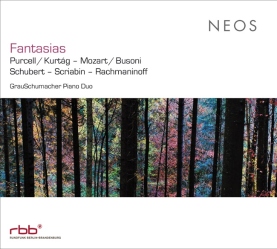
Fantasie für eine Orgelwalze, KiV B91
Released Album
Recent Album

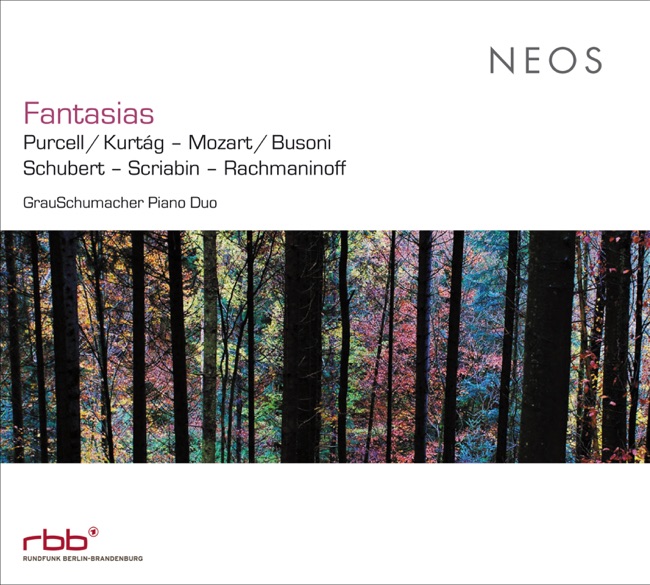

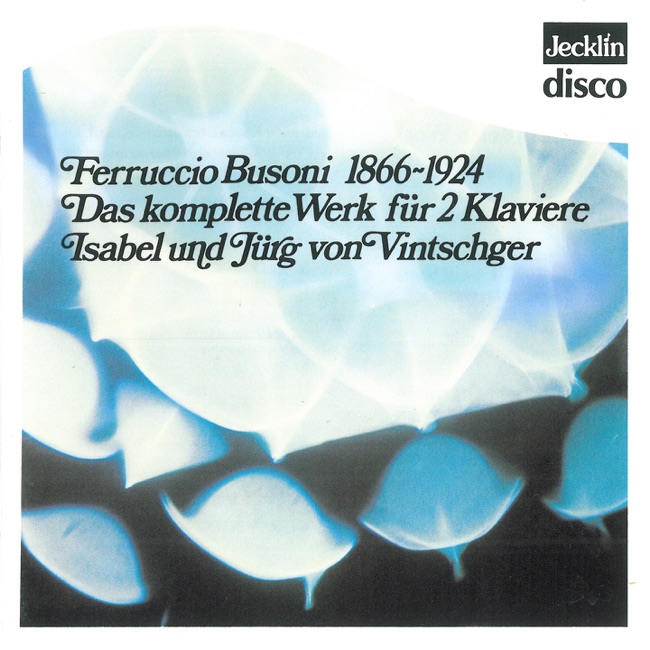

Featured Album
Works Info
Composer:Ferruccio BusoniGenre:KeyboardStyle:FantasyCompose Date:Jan 23, 1922Publication Date:1923First Performance:Feb 18, 1922Average_duration:9:22Ferruccio Busoni's 'Fantasie für eine Orgelwalze, KiV B91' is a unique and innovative composition that was composed in 1912. The piece was premiered on 27th October 1913 in the Beethoven-Saal in Berlin, with Busoni himself playing the organ. The composition is divided into four movements, each with its own distinct characteristics. The first movement, marked 'Preludio', is a slow and contemplative introduction that sets the tone for the rest of the piece. It begins with a simple melody played on the organ, which gradually builds in intensity and complexity as the movement progresses. The use of chromaticism and dissonance creates a sense of tension and unease, which is resolved in the following movements. The second movement, marked 'Fuga', is a complex and intricate fugue that showcases Busoni's mastery of counterpoint. The theme is introduced on the organ and is then passed between different voices, each adding their own unique variations and embellishments. The movement builds to a climax before resolving back to the original theme. The third movement, marked 'Meditazione', is a slow and introspective piece that provides a moment of respite from the complexity of the previous movements. The melody is simple and lyrical, with a sense of melancholy and nostalgia. The use of the organ's different registers creates a rich and varied texture, adding depth and complexity to the piece. The final movement, marked 'Fuga con Variazioni', is a complex and virtuosic finale that brings together all the themes and motifs from the previous movements. The fugue theme is introduced once again, but this time it is accompanied by a series of variations that showcase Busoni's technical skill and creativity. The movement builds to a thrilling climax before resolving back to the original theme, bringing the piece to a satisfying conclusion. Overall, 'Fantasie für eine Orgelwalze, KiV B91' is a unique and innovative composition that showcases Busoni's mastery of the organ and his ability to create complex and intricate musical structures. The use of different registers, chromaticism, and dissonance creates a sense of tension and unease that is resolved through the use of counterpoint and variation. The piece is a testament to Busoni's creativity and technical skill, and remains a popular and influential work in the organ repertoire.More....
Works Music
Released Music
1
Fantasy for an organ barrel, KiV B91
"Fantasie für eine Orgelwalze" in F minor for Two Pianos, after K. 608
9:29

4

10:23
5

10:18
Featured Music