Silvius Leopold Weiss
Sonata for lute in C major, SC 40
Released Album
Recent Album
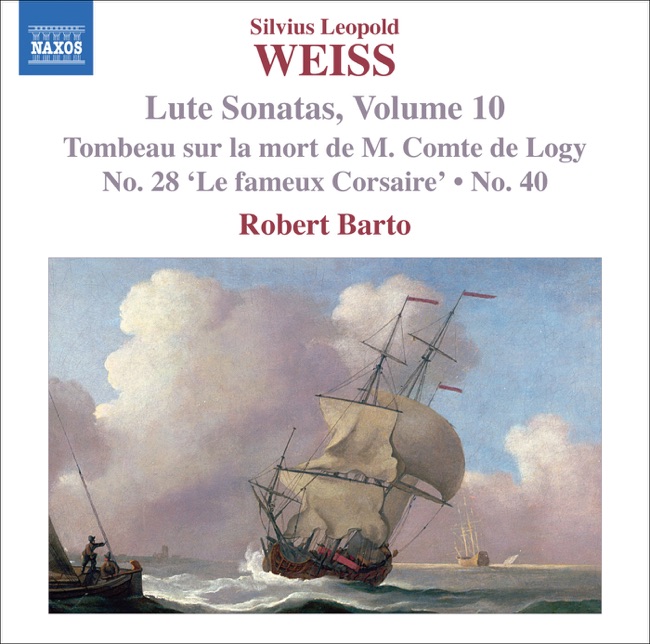
Works Info
Composer:Silvius Leopold WeissGenre:ChamberStyle:SuiteMovement_count:6Movement ....The Sonata for lute in C major, SC 40, is a composition by Silvius Leopold Weiss, a German composer and lutenist of the Baroque era. The exact date of composition is unknown, but it is believed to have been written in the early 18th century. The sonata consists of four movements: Prelude, Allemande, Courante, and Sarabande. The first movement, Prelude, is a free-form improvisation that showcases the lute's ability to create intricate and complex harmonies. It is characterized by its virtuosic runs and arpeggios, which demonstrate Weiss's mastery of the instrument. The second movement, Allemande, is a dance in quadruple meter that originated in Germany. It is characterized by its moderate tempo and its use of dotted rhythms. Weiss's Allemande is notable for its intricate counterpoint and its use of chromaticism. The third movement, Courante, is a lively dance in triple meter that originated in France. It is characterized by its fast tempo and its use of syncopation. Weiss's Courante is notable for its use of ornamentation and its complex harmonic progressions. The fourth and final movement, Sarabande, is a slow dance in triple meter that originated in Spain. It is characterized by its melancholic and introspective mood. Weiss's Sarabande is notable for its use of dissonance and its expressive use of dynamics. Overall, the Sonata for lute in C major, SC 40, is a masterful example of Baroque lute music. It showcases Weiss's virtuosity as a performer and his skill as a composer. Its intricate harmonies, complex counterpoint, and expressive use of dynamics make it a challenging and rewarding piece for lutenists to perform.More....