Aaron Copland
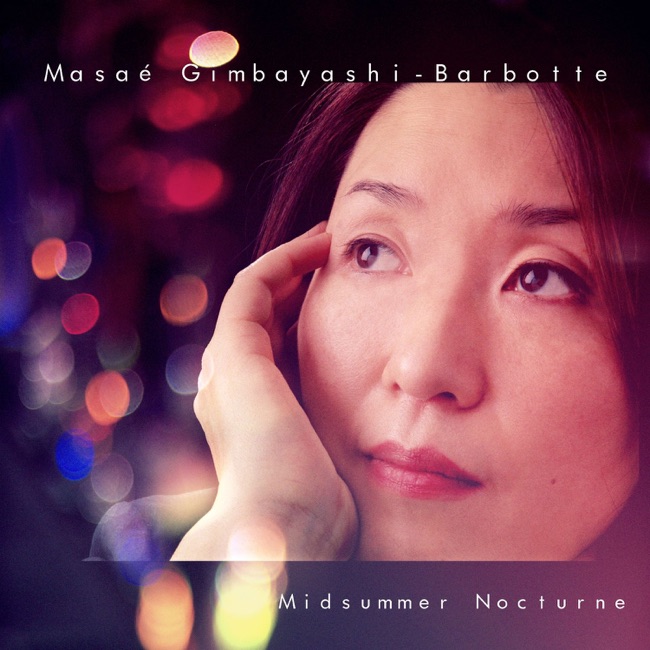
Midsummer Nocturne
Released Album
Recent Album
-
-
-
 Various ArtistsOctober 11, 2013
 -
-
-
-
-
-
-
-
Featured Album
Works Info
Composer:Aaron CoplandGenre:KeyboardStyle:NocturneCompose Date:1947Average_duration:1:59Aaron Copland's "Midsummer Nocturne" is a piece of music that was composed in 1953. It was premiered on July 1, 1953, by the Boston Symphony Orchestra, conducted by Charles Munch. The piece is divided into three movements, each with its own unique characteristics. The first movement, marked "Moderato," begins with a soft, mysterious introduction that sets the mood for the entire piece. The main theme is then introduced by the strings, which is a gentle, flowing melody that is reminiscent of a warm summer night. The theme is then passed around to the woodwinds and brass, creating a sense of unity and harmony among the different sections of the orchestra. The movement ends with a soft, peaceful coda that fades away into the night. The second movement, marked "Allegretto," is a lively and playful scherzo that contrasts with the more subdued first movement. The main theme is introduced by the woodwinds and is then taken up by the strings. The theme is then developed and expanded upon, with each section of the orchestra contributing to the overall texture of the piece. The movement ends with a brief coda that brings the energy of the scherzo to a close. The third and final movement, marked "Lento," is a slow and contemplative adagio that brings the piece to a peaceful and reflective conclusion. The main theme is introduced by the strings and is then passed around to the woodwinds and brass. The theme is then developed and expanded upon, with each section of the orchestra contributing to the overall texture of the piece. The movement ends with a soft, peaceful coda that fades away into the night, bringing the piece to a close. Overall, "Midsummer Nocturne" is a beautiful and evocative piece of music that captures the essence of a warm summer night. The use of different textures and timbres throughout the piece creates a sense of unity and harmony among the different sections of the orchestra, while the three distinct movements provide a sense of structure and development.More....
Works Music
Released Music
1
5:39
3
2:
Featured Music