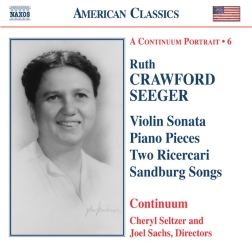
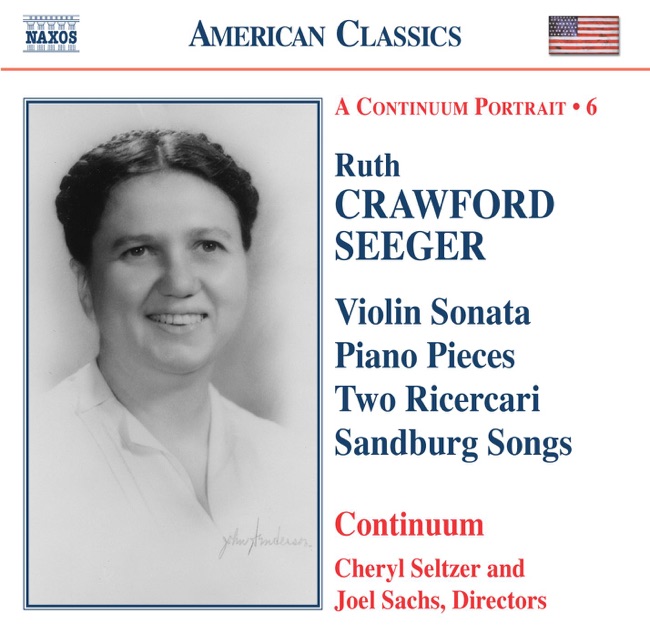
Ruth Crawford Seeger
Suite No. 1
Released Album
Recent Album
Works Info
Composer:Ruth Crawford SeegerGenre:ChamberStyle:Wind QuintetCompose Date:1927 - 1928First Performance:Dec 12, 1929Average_duration:9:33Ruth Crawford Seeger's 'Suite No. 1' is a composition for solo piano that was composed in 1925. The piece premiered in New York City in 1926, and it consists of four movements. The first movement, titled 'Prelude', is characterized by its slow and contemplative nature. The piece begins with a simple melody that gradually builds in intensity, with the left hand providing a steady accompaniment. The movement ends with a return to the original melody, played softly and delicately. The second movement, 'Fugue', is a more complex and intricate piece. It begins with a single voice playing a simple melody, which is then repeated and developed by other voices. The movement builds in intensity and complexity, with the different voices weaving in and out of each other. The movement ends with a return to the original melody, played softly and delicately. The third movement, 'Air', is a slow and lyrical piece. It begins with a simple melody played by the right hand, accompanied by a gentle arpeggio in the left hand. The melody is then repeated and developed, with the left hand providing a more complex accompaniment. The movement ends with a return to the original melody, played softly and delicately. The final movement, 'Fuguing Tune', is a lively and energetic piece. It begins with a simple melody played by the right hand, accompanied by a rhythmic pattern in the left hand. The melody is then repeated and developed, with the left hand providing a more complex accompaniment. The movement builds in intensity and complexity, with the different voices weaving in and out of each other. The movement ends with a return to the original melody, played loudly and energetically. Overall, 'Suite No. 1' is characterized by its use of simple melodies and complex harmonies. The piece is also notable for its use of fugue, a complex and intricate musical form that was popular in the Baroque era. Despite its complexity, however, the piece is also accessible and enjoyable to listen to, with a sense of beauty and lyricism that is characteristic of Crawford Seeger's work.More....