


Ludwig van Beethoven
Triumphal march in C for "Tarpeja", WoO 2a
Released Album
Recent Album
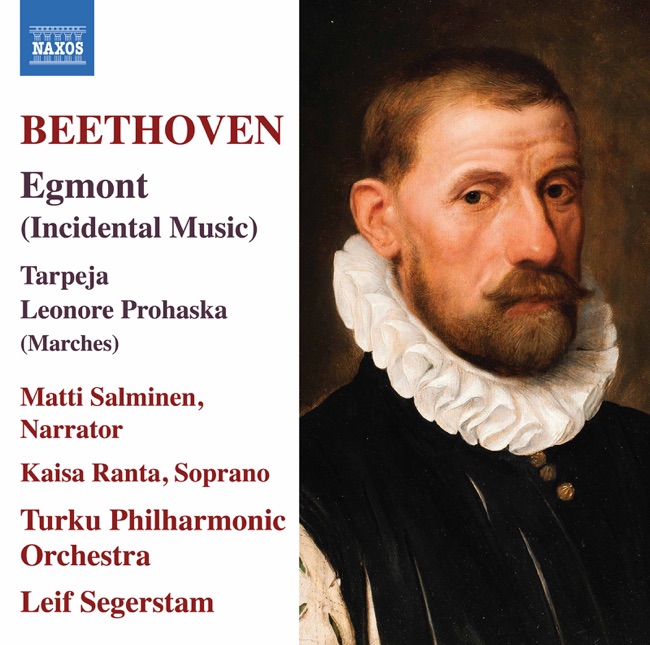

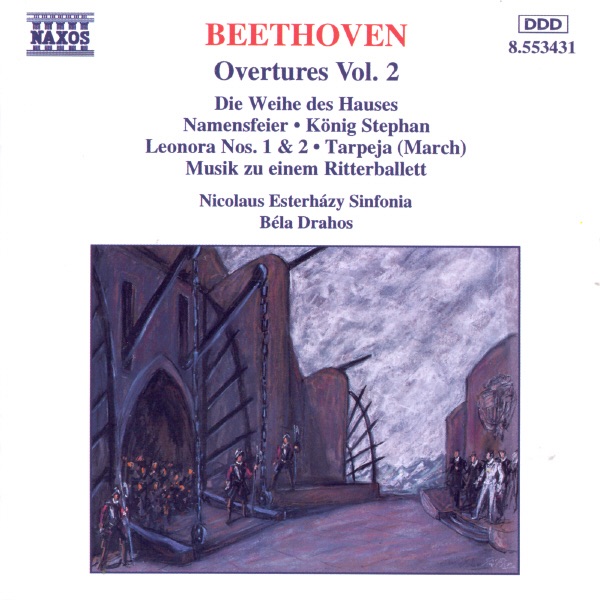
Works Info
Composer:Ludwig van BeethovenGenre:OrchestralStyle:MarchCompose Date:1813Average_duration:2:29Ludwig van Beethoven composed the "Triumphal March in C for Tarpeja, WoO 2a" in 1810. The piece was premiered on August 9, 1810, in Vienna, Austria, as part of a celebration of the marriage of Archduke Rudolph of Austria to Princess Ludovika of Bavaria. The "Triumphal March" is a single movement work that lasts approximately six minutes. It is scored for a large orchestra, including brass, woodwinds, strings, and percussion. The piece begins with a fanfare-like introduction, featuring the brass and percussion sections. This leads into the main theme, which is a majestic and triumphant melody played by the strings. The theme is then passed around the orchestra, with each section taking turns playing it. The middle section of the piece features a more subdued and lyrical melody, played by the woodwinds. This section provides a contrast to the grandeur of the opening theme. The piece then returns to the main theme, which is played in a more elaborate and ornamented version. The piece ends with a grand coda, featuring the full orchestra playing the main theme in a triumphant and celebratory manner. The "Triumphal March" is a characteristic example of Beethoven's style during the middle period of his career. It features a grand and majestic theme, typical of Beethoven's heroic style, as well as a more lyrical and introspective middle section. The piece also showcases Beethoven's skill in orchestration, with each section of the orchestra given a chance to shine. Overall, the "Triumphal March in C for Tarpeja, WoO 2a" is a celebratory and grand piece of music, fitting for the occasion for which it was composed. It remains a popular work in the orchestral repertoire and is often performed at ceremonial events.More....
Works Music
Released Music
1
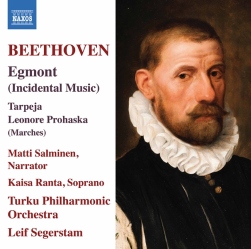
Triumphal march in C for "Tarpeia", WoO 2a
Triumphmarsch zum Trauerspiel Tarpeja von Kuffner, WoO 2a, Hess 117 (Triumphal March for the Tragedy Tarpeja by Kuffner)
3:5

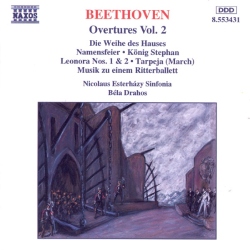
5
2:47
6
2:31
7
3:14