Alexandre Tansman
Pièce en Forme de Passacaille
Released Album
Recent Album
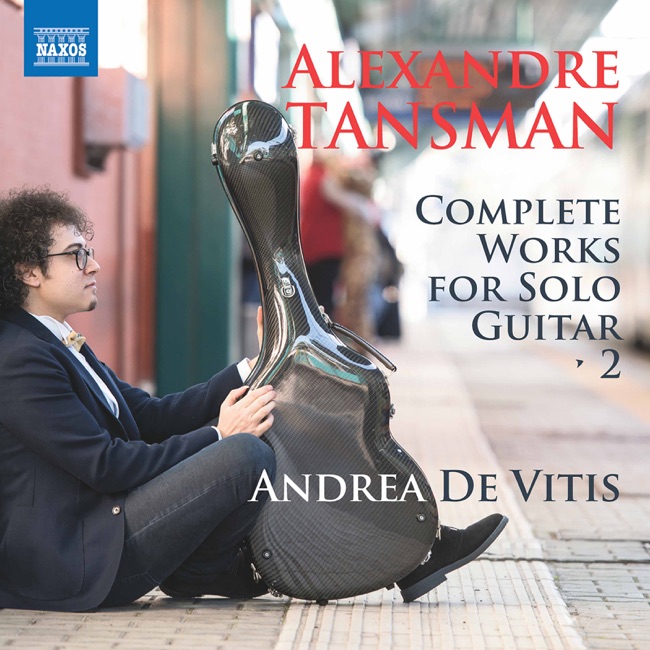
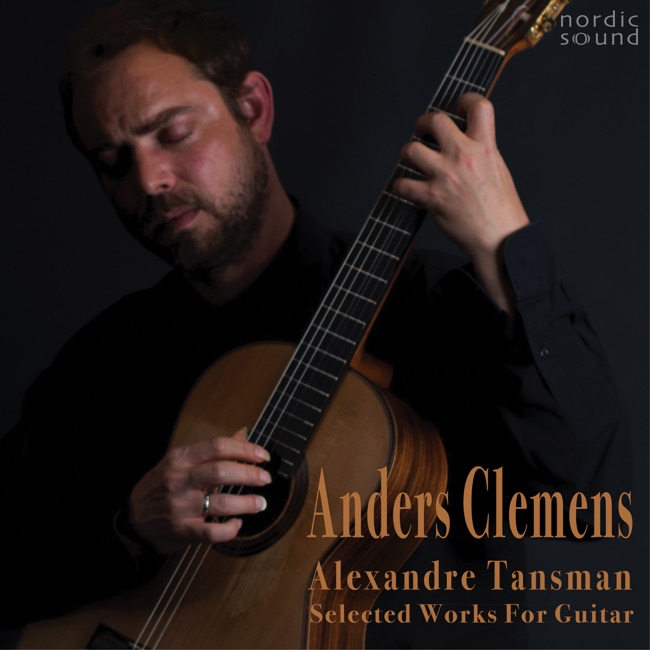
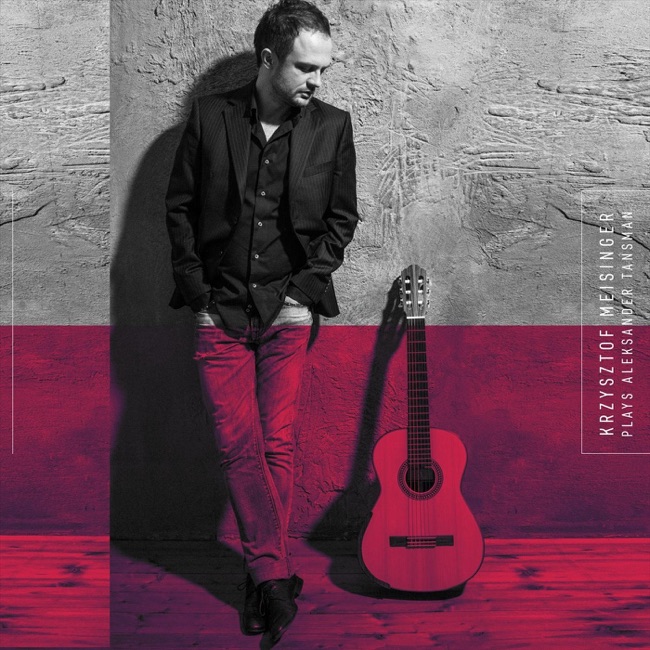
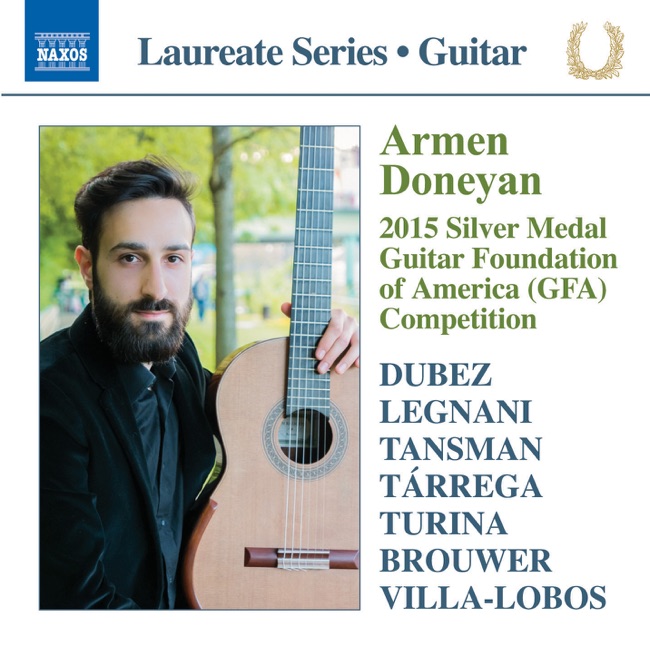
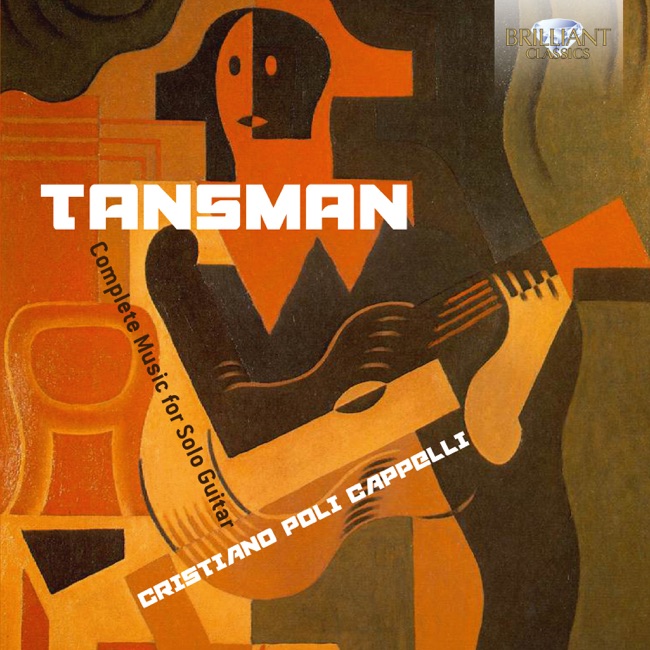
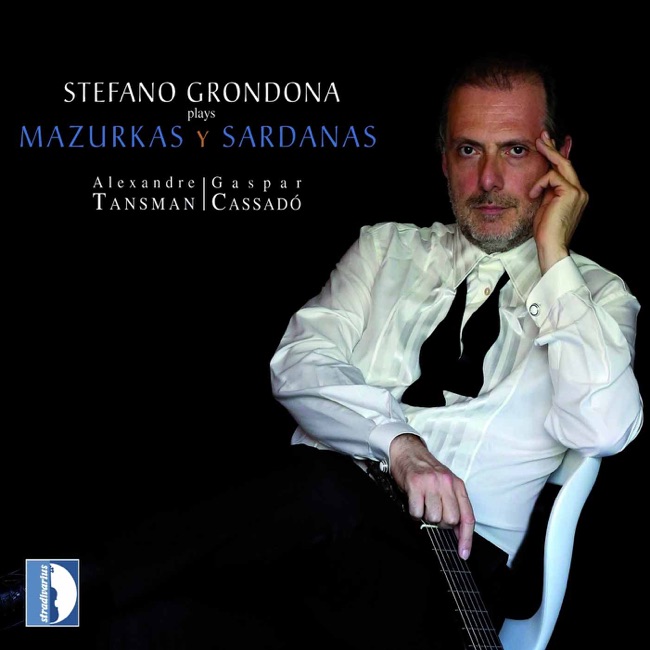
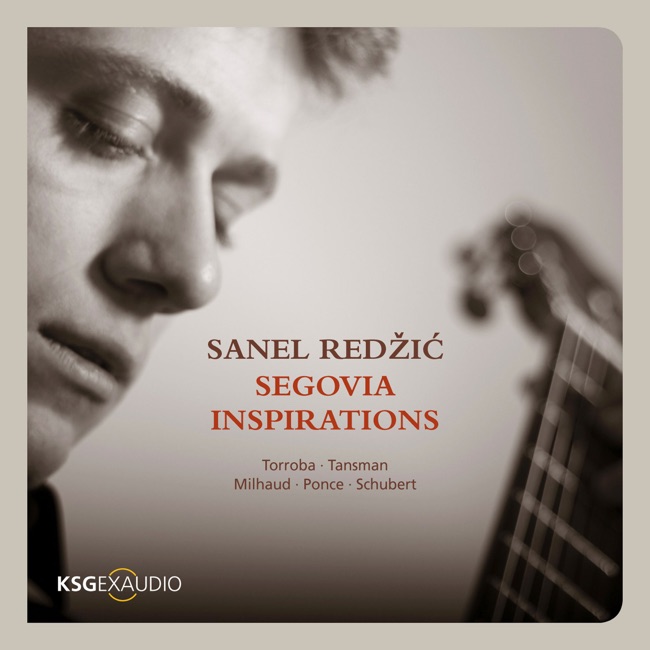
Featured Album
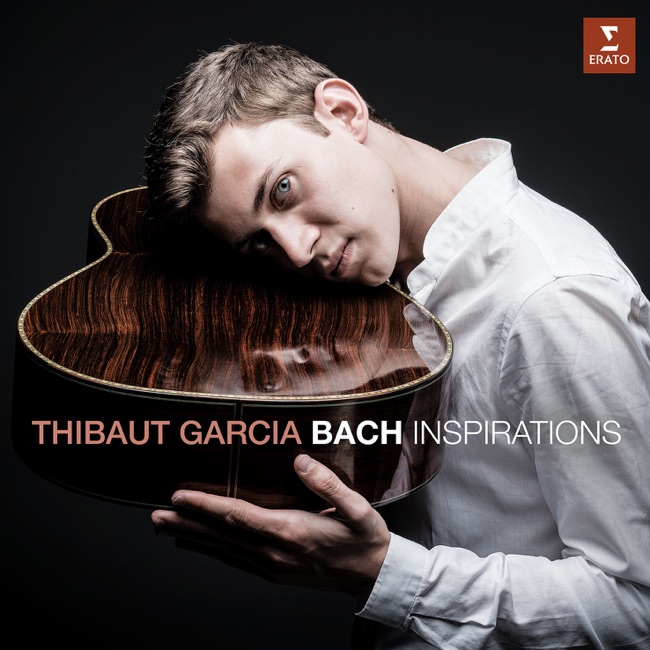
Works Info
Composer:Alexandre TansmanGenre:ChamberCompose Date:1953Average_duration:5:49"Pièce en Forme de Passacaille" is a solo piano composition by Alexandre Tansman, a Polish composer of Jewish origin. The piece was composed in 1925 and premiered in Paris the same year. It is a part of Tansman's early works, which were heavily influenced by the neoclassical style. The piece is structured in a passacaglia form, which is a variation form based on a repeating bass line. The passacaglia form was popular in the Baroque era and was revived by composers in the 20th century. In "Pièce en Forme de Passacaille," the bass line is a descending chromatic scale that repeats throughout the piece. The melody and harmony are built on top of this bass line, creating a sense of unity and coherence. The piece is divided into three movements. The first movement is marked "Moderato," and it begins with a simple melody played in the right hand. The left hand plays the passacaglia bass line, which is introduced in the first measure. The melody is developed and expanded throughout the movement, with the left hand providing a steady foundation. The second movement is marked "Lento," and it is a contrast to the first movement. The melody is more lyrical and expressive, and the harmony is more complex. The passacaglia bass line is still present, but it is played in the middle register of the piano, creating a different texture. The movement builds to a climax before returning to the original melody. The third movement is marked "Allegro," and it is the most virtuosic of the three. The melody is played in octaves, and the left hand plays a more elaborate version of the passacaglia bass line. The movement is full of energy and excitement, with fast runs and arpeggios. The piece ends with a flourish, bringing the passacaglia form to a satisfying conclusion. Overall, "Pièce en Forme de Passacaille" is a well-crafted composition that showcases Tansman's skill as a composer. The use of the passacaglia form gives the piece a sense of unity, while the three movements provide variety and contrast. The piece is a testament to Tansman's neoclassical style, which was influenced by the music of Bach, Mozart, and Stravinsky.More....