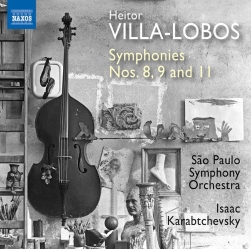
Heitor Villa-Lobos
Symphony No. 9, A. 510
Released Album
Recent Album
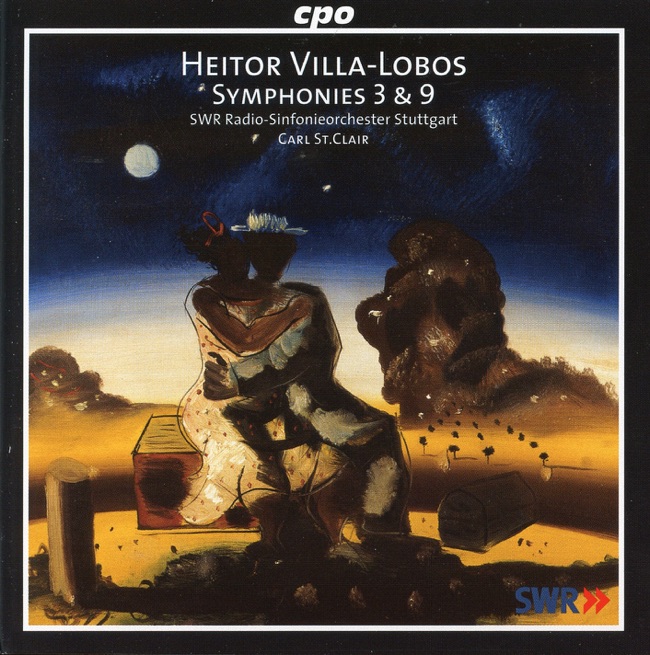
Featured Album

Works Info
Composer:Heitor Villa-LobosGenre:SymphonyStyle:SymphonyCompose Date:1952Average_duration:19:05Movement_count:4Movement ....Heitor Villa-Lobos' Symphony No. 9, A. 510, was composed in 1952 and premiered on October 30th of the same year in Rio de Janeiro, Brazil. The symphony is divided into four movements, each with its own distinct characteristics. The first movement, marked "Allegro moderato," begins with a lively and rhythmic theme in the strings, which is then taken up by the woodwinds. The music builds in intensity, with the brass section adding a sense of grandeur to the proceedings. The movement ends with a return to the opening theme, played softly and delicately. The second movement, marked "Andante," is a slow and contemplative piece, with a mournful melody played by the strings. The woodwinds and brass provide subtle accompaniment, adding to the melancholic atmosphere. The movement ends with a quiet and introspective coda. The third movement, marked "Scherzo," is a lively and playful piece, with a jaunty theme played by the woodwinds. The music is full of energy and vitality, with the various sections of the orchestra trading off the main theme. The movement ends with a sudden and unexpected halt. The final movement, marked "Allegro," is a triumphant and celebratory piece, with a majestic theme played by the brass section. The music builds in intensity, with the various sections of the orchestra adding their own flourishes to the main theme. The movement ends with a grand and majestic coda, bringing the symphony to a thrilling conclusion. Overall, Villa-Lobos' Symphony No. 9 is a masterful work, showcasing the composer's skill at blending traditional classical forms with the rhythms and melodies of his native Brazil. The symphony is full of energy, vitality, and emotion, and remains a beloved work in the classical repertoire.More....
Works Music
Released Music

Featured Music