Franz Liszt
Qui seminant in lacrimis, S. 63
Released Album
Recent Album



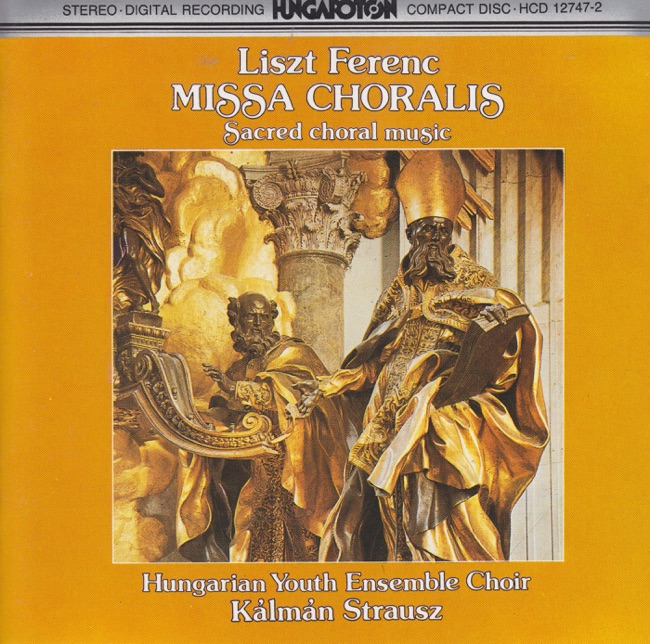
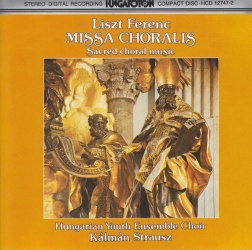
Featured Album

Works Info
Composer:Franz LisztGenre:ChoralStyle:PsalmCompose Date:1883Publication Date:1907Average_duration:3:42"Qui seminant in lacrimis" is a sacred choral work composed by Franz Liszt in 1879. The piece was premiered in Rome on January 22, 1880, during a ceremony at the Church of San Lorenzo in Lucina. The composition is part of a larger collection of sacred works that Liszt composed during his later years, which were heavily influenced by his religious beliefs. The piece is divided into three movements, each of which is characterized by a different mood and musical style. The first movement is marked "Andante con moto" and is characterized by a mournful, introspective tone. The second movement, marked "Allegro moderato," is more upbeat and energetic, with a sense of urgency and determination. The final movement, marked "Andante sostenuto," returns to the mournful tone of the first movement, but with a sense of resolution and acceptance. The text of "Qui seminant in lacrimis" is taken from Psalm 126, which speaks of the hardships and struggles of life, but also of the hope and joy that can be found in faith. Liszt's setting of the text is deeply emotional and expressive, with rich harmonies and intricate counterpoint. The piece is notable for its use of chromaticism and dissonance, which create a sense of tension and unease that is gradually resolved over the course of the work. Overall, "Qui seminant in lacrimis" is a powerful and moving work that reflects Liszt's deep spiritual convictions and his mastery of choral composition. Its premiere in Rome was a significant event in the composer's career, and the piece continues to be performed and admired by choral groups and audiences around the world.More....
Works Music