Thomas Tomkins
Ut re mi, hexachord fantasia for 4 viols
Released Album
Recent Album
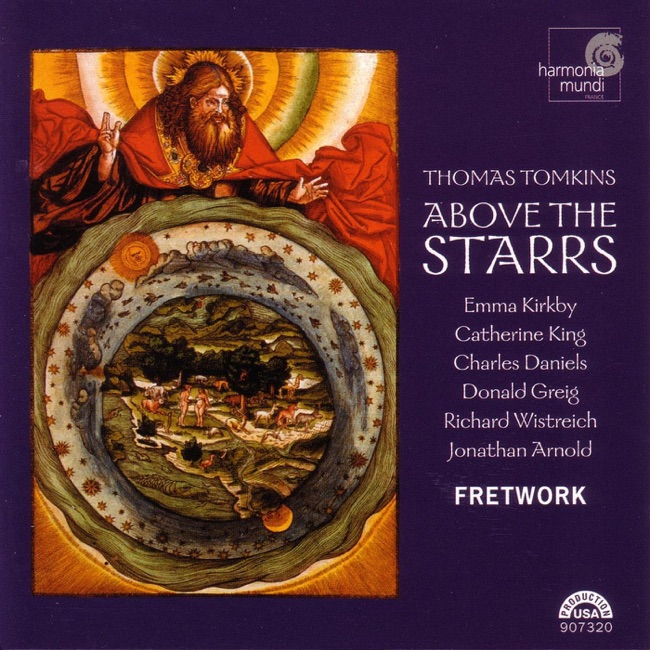
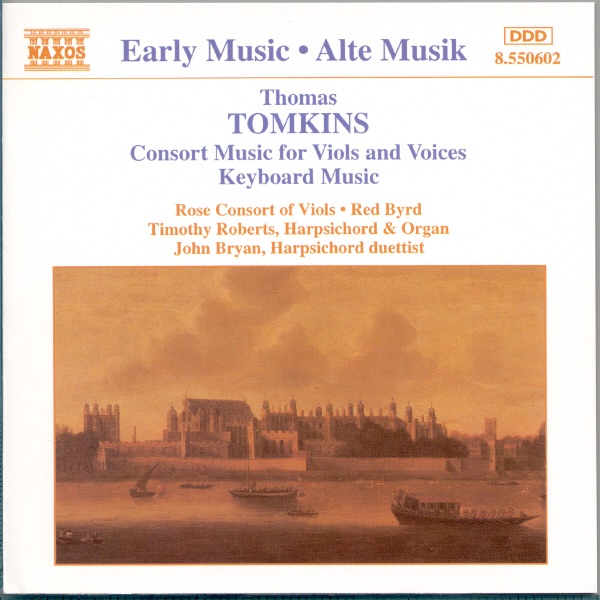
Works Info
Composer:Thomas TomkinsGenre:ChamberStyle:FantasyAverage_duration:6:28Thomas Tomkins was an English composer who lived from 1572 to 1656. He was a prolific composer of sacred and secular music, and his works were highly regarded during his lifetime. One of his most famous works is the "Ut re mi" hexachord fantasia for 4 viols. The "Ut re mi" fantasia was composed in the early 17th century, although the exact date is not known. It was likely written for a group of viols, which were popular instruments in England during this time. The piece is in six movements, each of which is based on a different note of the hexachord (a six-note scale used in medieval music). The first movement is based on the note "Ut" (which later became "Do" in modern music notation). It is a slow and stately piece, with the viols playing in a homophonic texture (meaning they all play the same rhythm and melody). The second movement is based on the note "Re" and is faster and more lively than the first. It features imitative counterpoint, where each viol plays a slightly different melody that interweaves with the others. The third movement is based on the note "Mi" and is a slow and melancholy piece. It features a lot of suspensions (where one note is held over into the next chord) and dissonances, which create a sense of tension and release. The fourth movement is based on the note "Fa" and is a lively dance-like piece. It features a lot of syncopation (where the emphasis is on the off-beats) and is full of energy and excitement. The fifth movement is based on the note "Sol" and is a slow and contemplative piece. It features a lot of ornamentation (decorative flourishes added to the melody) and is very expressive. The final movement is based on the note "La" and is a fast and lively piece. It features a lot of virtuosic playing, with each viol taking turns playing fast runs and intricate melodies. Overall, the "Ut re mi" hexachord fantasia is a beautiful and complex work that showcases Tomkins' skill as a composer. It is a great example of the English consort music of the early 17th century and is still performed and enjoyed today.More....
Works Music