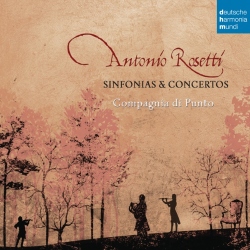
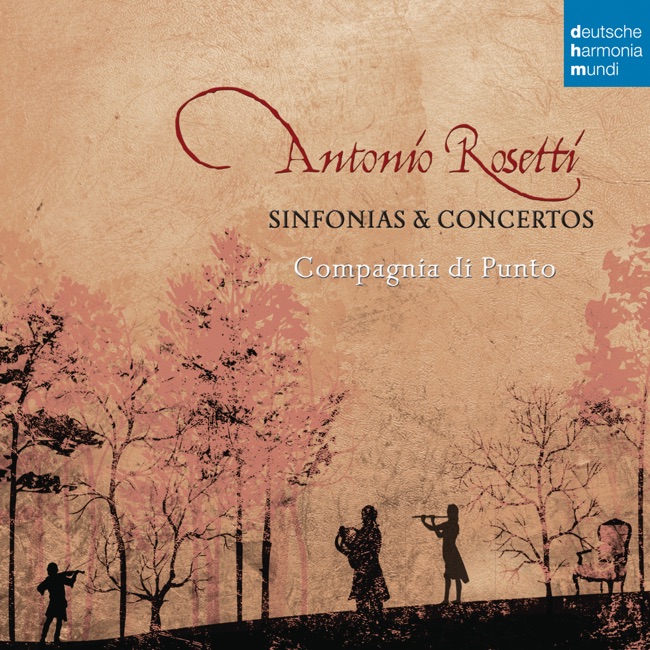
Antonio Rosetti
Symphony in G minor, A41/K deest
Released Album
Recent Album
Works Info
Composer:Antonio RosettiGenre:SymphonyStyle:SymphonyAverage_duration:16:40Movement_count:4Movement ....Antonio Rosetti was a prolific composer of the Classical era, known for his symphonies, concertos, and chamber music. One of his most notable works is the Symphony in G minor, A41/K deest, which was likely composed in the late 1770s or early 1780s. The Symphony in G minor is believed to have been written for a small orchestra, consisting of two oboes, two horns, and strings. It is comprised of four movements, each with its own distinct character and mood. The first movement, marked Allegro assai, is in sonata form and opens with a dramatic and intense theme in the strings. The oboes and horns then enter with a contrasting melody, creating a sense of tension and conflict. The development section explores these themes further, with the orchestra building to a powerful climax before returning to the opening material. The second movement, marked Andante, is a lyrical and expressive theme and variations. The main melody is introduced by the strings, with the oboes and horns providing a delicate accompaniment. The variations explore different textures and harmonies, showcasing Rosetti's skill as a composer. The third movement, marked Menuetto, is a lively and playful dance in triple meter. The oboes and horns take center stage in this movement, with the strings providing a rhythmic foundation. The trio section features a more lyrical melody, before returning to the main theme. The final movement, marked Allegro, is a fast and energetic finale. The strings open with a lively theme, which is then taken up by the oboes and horns. The development section features a series of intricate counterpoint and imitative passages, before the orchestra returns to the opening material for a triumphant conclusion. Overall, the Symphony in G minor is a masterful work that showcases Rosetti's skill as a composer. Its dramatic and expressive themes, intricate counterpoint, and playful dance rhythms make it a standout example of Classical-era symphonic writing. While it may not be as well-known as some of his contemporaries' works, it is a testament to Rosetti's talent and contribution to the genre.More....
Works Music
Released Music