


Franz Joseph Haydn
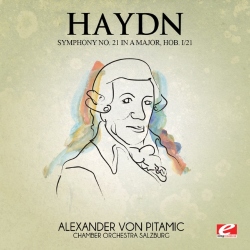
Symphony No. 21 in A major, H. 1/21
Released Album
Recent Album
-
-
-
-
-
-
-
-
-
-
-
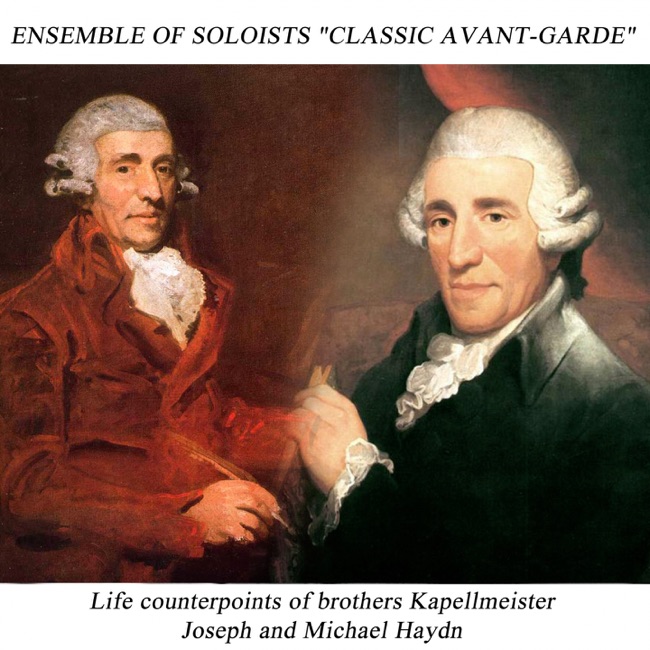 Ensemble of Soloists Classic Avant-GardeMarch 1, 2007
 -
Works Info
Composer:Franz Joseph HaydnGenre:SymphonyStyle:SymphonyCompose Date:1764Average_duration:16:34Movement_count:4Movement ....Symphony No. 21 in A major, H. 1/21, is a classical symphony composed by Franz Joseph Haydn. It was composed in 1764 and premiered in the same year in the city of Eisenstadt, Austria. The symphony is divided into three movements, each with its own unique characteristics. The first movement, marked Allegro con brio, is in sonata form and begins with a lively and energetic theme played by the strings. The theme is then repeated by the woodwinds and brass, creating a sense of unity and balance. The development section features a series of modulations and variations on the main theme, showcasing Haydn's skill in creating complex and intricate musical structures. The movement ends with a recapitulation of the main theme, bringing the piece full circle. The second movement, marked Andante, is a slow and lyrical piece that features a beautiful melody played by the strings. The woodwinds and brass provide a delicate accompaniment, creating a sense of intimacy and warmth. The movement is notable for its use of chromaticism, which adds a sense of tension and drama to the piece. The movement ends with a gentle coda, bringing the piece to a peaceful close. The third movement, marked Menuetto, is a lively and playful dance in triple meter. The main theme is played by the strings and is then repeated by the woodwinds and brass. The trio section features a contrasting melody played by the woodwinds, creating a sense of variety and contrast. The movement ends with a playful coda, bringing the piece to a joyful and celebratory close. Overall, Symphony No. 21 in A major is a masterful example of Haydn's classical style. It showcases his skill in creating complex and intricate musical structures while also maintaining a sense of balance and unity. The piece is notable for its use of chromaticism and its playful and joyful character, making it a beloved work in the classical repertoire.More....
Works Music
Released Music
1
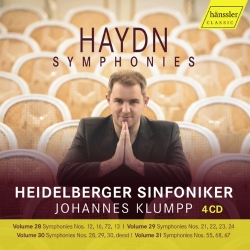
4:25
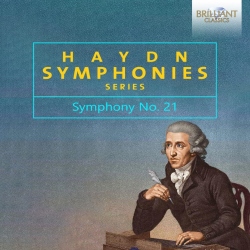
3
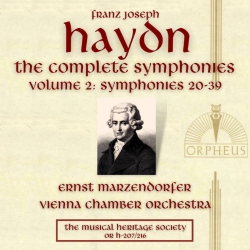
6:9
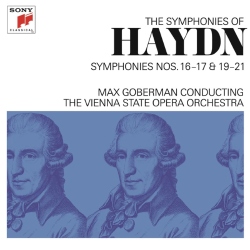
5
5:21
7
6:30
8
4:52
10
5:32