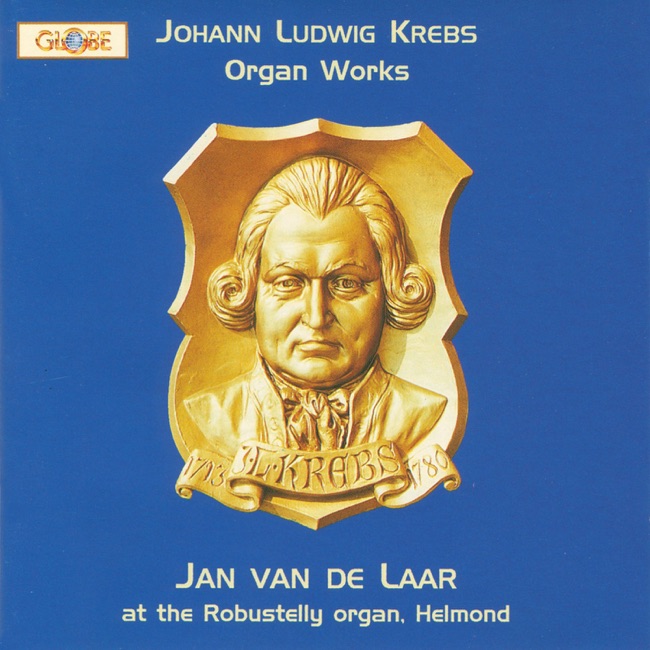
Johann Ludwig Krebs
Trio for organ in E flat major
Released Album
Recent Album
Works Info
Composer:Johann Ludwig KrebsGenre:KeyboardStyle:KeyboardAverage_duration:4:49Johann Ludwig Krebs was a German composer and organist who lived from 1713 to 1780. He was a student of Johann Sebastian Bach and worked as an organist in various churches throughout his career. One of his most notable works is the Trio for organ in E flat major, which was composed in the mid-18th century. The Trio for organ in E flat major is a three-movement work that was composed for the organ. It was likely written for use in church services, as was common for organ music of the time. The piece is written in the key of E flat major, which was a popular key for organ music due to the richness of its sound. The first movement of the Trio is marked Allegro and is in a fast tempo. It begins with a lively theme played by the right hand on the organ, which is then echoed by the left hand. The theme is then developed and expanded upon throughout the movement, with the two hands playing off of each other in a lively and energetic manner. The second movement of the Trio is marked Adagio and is in a slow tempo. It begins with a gentle and lyrical melody played by the right hand on the organ. The left hand then joins in with a simple accompaniment, and the two hands play together in a delicate and expressive manner. The movement is marked by its beautiful harmonies and expressive phrasing. The third and final movement of the Trio is marked Allegro and is in a fast tempo. It begins with a lively and rhythmic theme played by the right hand on the organ. The left hand then joins in with a more subdued accompaniment, and the two hands play off of each other in a lively and energetic manner. The movement is marked by its lively rhythms and playful melodies. Overall, the Trio for organ in E flat major is a beautiful and expressive work that showcases Krebs' skill as a composer and organist. Its three movements are marked by their lively rhythms, beautiful harmonies, and expressive phrasing, making it a popular work among organists and music lovers alike. The piece premiered in the mid-18th century and has since become a beloved work in the organ repertoire.More....
Works Music
Released Music
3

3:58