


Heitor Villa-Lobos
Ciranda das sete notas, for bassoon & strings, A. 325
Released Album
Recent Album
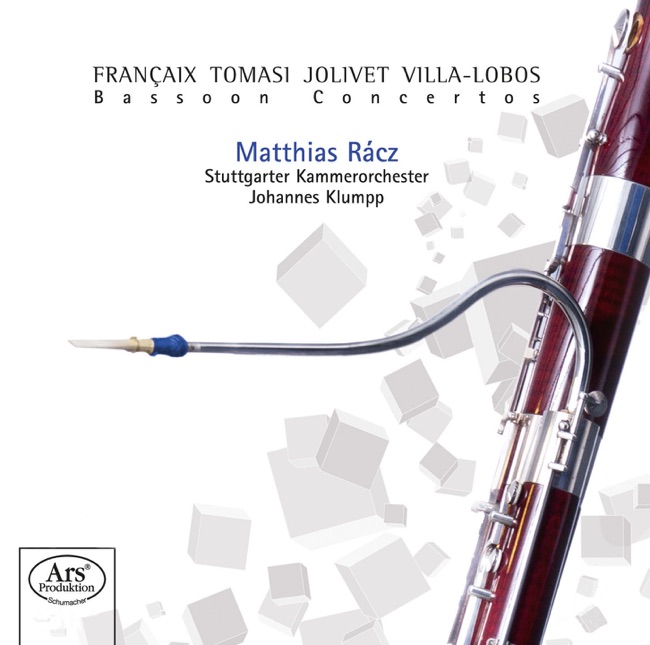



Featured Album

Works Info
Composer:Heitor Villa-LobosGenre:ConcertoStyle:ConcertoCompose Date:1933Average_duration:11:11Heitor Villa-Lobos composed "Ciranda das sete notas" for bassoon and strings in 1942. The piece was premiered in Rio de Janeiro on August 28, 1942, with the composer conducting the Orquestra Sinfônica Brasileira. The work is divided into seven movements, each based on a different Brazilian folk tune. The first movement, "Ciranda da Lapa," is a lively dance in 2/4 time. The second movement, "Ciranda da Bailarina," is a slower, more lyrical piece in 3/4 time. The third movement, "Ciranda da Tarde," is a gentle waltz in 6/8 time. The fourth movement, "Ciranda da Lua," is a hauntingly beautiful piece in 4/4 time. The fifth movement, "Ciranda da Mata," is a lively dance in 2/4 time, featuring a playful bassoon melody. The sixth movement, "Ciranda da Praia," is a slow, dreamy piece in 3/4 time. The final movement, "Ciranda da Noite," is a lively dance in 2/4 time, featuring a virtuosic bassoon solo. Throughout the work, Villa-Lobos incorporates elements of Brazilian folk music, including syncopated rhythms, colorful harmonies, and playful melodies. The bassoon plays a prominent role in the piece, with the soloist often taking center stage. Villa-Lobos showcases the instrument's range and agility, with the bassoon soaring to high notes and executing intricate runs and trills. Overall, "Ciranda das sete notas" is a charming and colorful work that showcases Villa-Lobos's unique blend of classical and folk music. It remains a popular piece in the bassoon repertoire and a testament to the composer's enduring legacy.More....
Works Music
Released Music
1
Ciranda das sete notas, for bassoon & strings, A. 325
Ciranda das sete notas für Fagott und Streicher
11:20

3

11:21
4

11:24
Featured Music
1

Ciranda das sete notas, for bassoon & strings, A. 325
Ciranda das Stete Notas for bassoon & string orchestra
11:30