William Byrd
Constant Penelope
Released Album
Recent Album

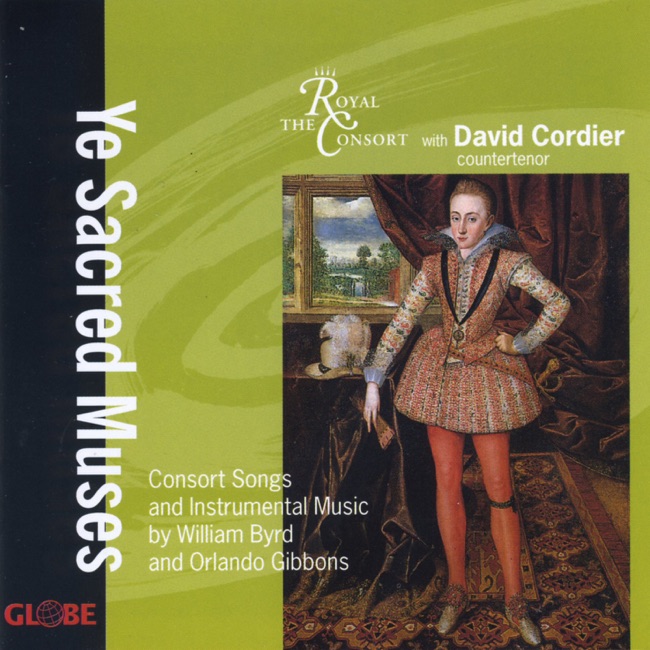
Works Info
Composer:William ByrdGenre:VocalStyle:MadrigalAverage_duration:2:29"Constant Penelope" is a vocal work composed by William Byrd, an English composer of the Renaissance era. The piece was likely composed in the late 16th century, although the exact date is unknown. It is believed to have been written for a small vocal ensemble, possibly for performance in a private setting. The work is structured in three movements, each of which is based on a different text. The first movement sets a text by the Roman poet Ovid, while the second and third movements use texts from the Bible. The first movement is a lively and rhythmic setting of Ovid's "Amores," which tells the story of Penelope, the wife of Odysseus, who remains faithful to her husband despite his long absence. The second movement, based on the Book of Job, is a more contemplative and introspective piece, while the third movement, based on the Song of Solomon, is a joyful and celebratory setting. One of the most notable characteristics of "Constant Penelope" is its use of word painting, a technique in which the music reflects the meaning of the text. For example, in the first movement, the music becomes more agitated and restless as the text describes Penelope's anxiety and longing for her absent husband. In the second movement, the music becomes more subdued and mournful as the text describes Job's suffering and despair. And in the third movement, the music becomes more exuberant and joyful as the text describes the love between the bride and groom. Overall, "Constant Penelope" is a beautiful and expressive work that showcases Byrd's skill as a composer. Its use of word painting and its varied moods and textures make it a fascinating and rewarding piece to listen to.More....
Works Music
Released Music