Charles Villiers Stanford
On Time, Op. 142
Released Album
Recent Album
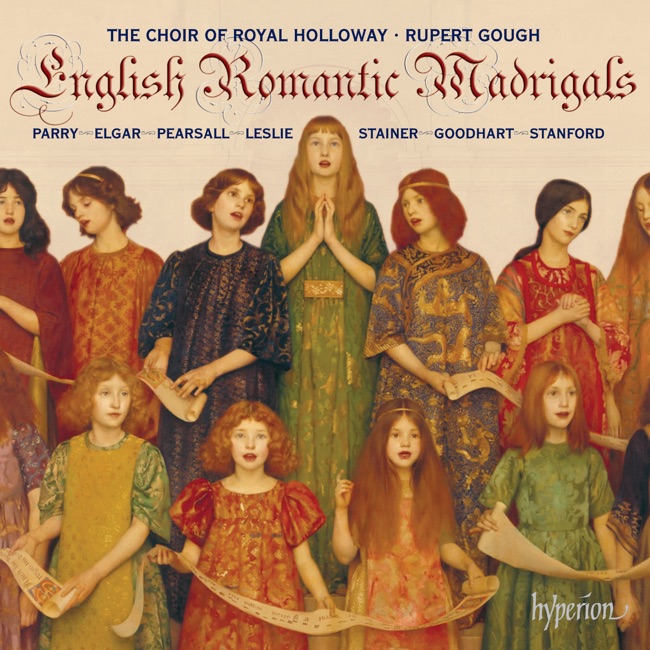
Featured Album
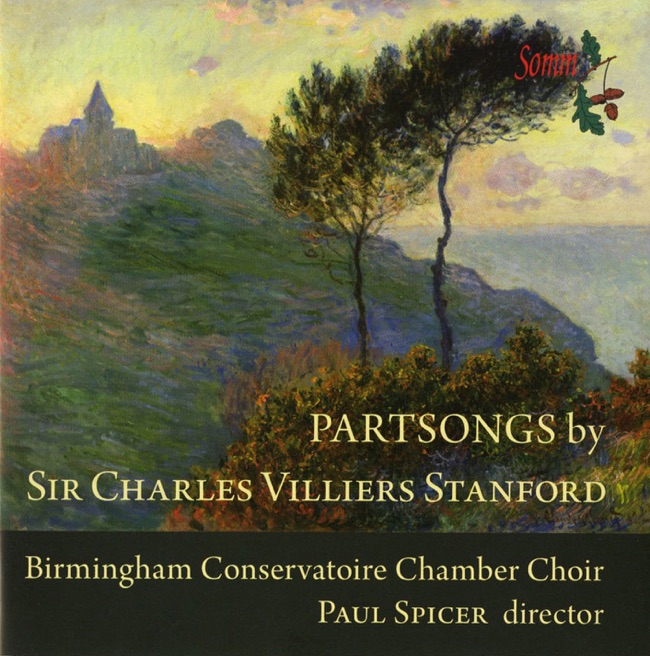
Works Info
Composer:Charles Villiers StanfordGenre:ChoralCompose Date:May, 1914Average_duration:5:40On Time, Op. 142 is a choral work composed by Charles Villiers Stanford in 1918. The piece was premiered on May 22, 1919, at the Royal Albert Hall in London, conducted by the composer himself. The work is divided into four movements, each of which explores the theme of time in a different way. The first movement, "Time's Glory," is a grand and majestic setting of a text by John Milton. The music is characterized by its sweeping melodies and rich harmonies, which evoke the grandeur and power of time. The choir sings of time's ability to conquer all things, from empires to mountains, and the music reflects this sense of triumph and inevitability. The second movement, "Time's Lament," is a more introspective and melancholy piece. The text, by William Blake, speaks of the fleeting nature of time and the sadness that comes with the passing of youth and beauty. The music is characterized by its gentle, flowing melodies and delicate harmonies, which convey a sense of wistful nostalgia. The third movement, "Time's Laughter," is a lively and playful piece that celebrates the joy and vitality of youth. The text, by Robert Herrick, speaks of the pleasures of love and the carefree spirit of youth. The music is characterized by its lively rhythms and bright, cheerful melodies, which evoke the exuberance and energy of youth. The final movement, "Time's Nobility," is a majestic and triumphant piece that celebrates the enduring power of time. The text, by John Donne, speaks of the nobility and greatness that comes with the passing of time, and the music reflects this sense of grandeur and majesty. The choir sings of the eternal nature of time, and the music builds to a powerful and triumphant conclusion. Overall, On Time, Op. 142 is a powerful and evocative choral work that explores the theme of time in all its complexity. The music is characterized by its rich harmonies, sweeping melodies, and powerful sense of drama, and it remains a beloved work in the choral repertoire to this day.More....
Works Music
Released Music
Featured Music