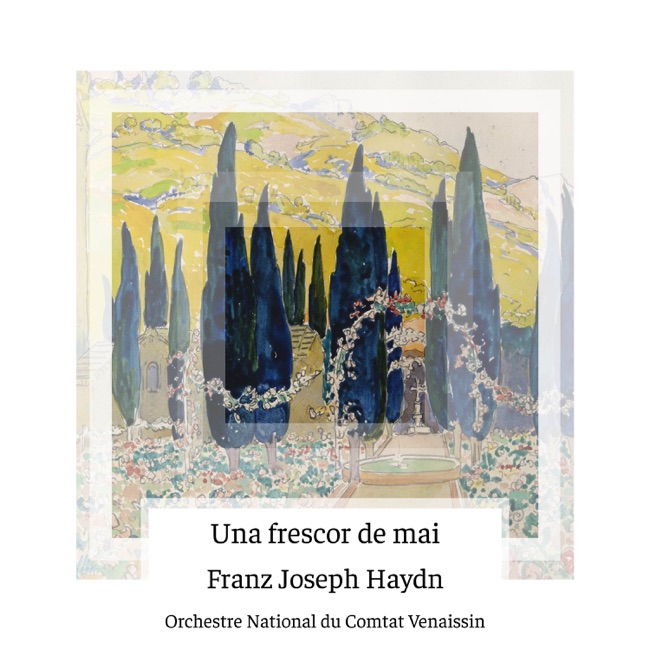
Franz Joseph Haydn
Baryton Trio in A major, H. 11/4
Released Album
Recent Album

Works Info
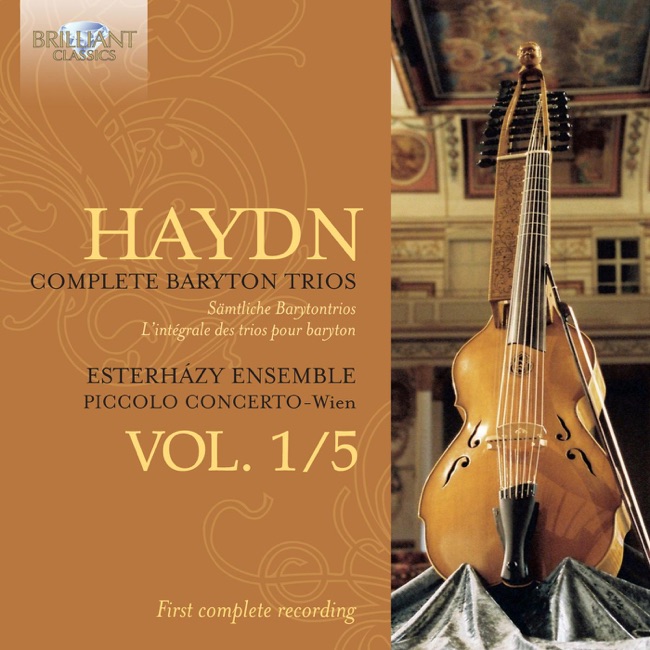
Composer:Franz Joseph HaydnGenre:ChamberStyle:Chamber MusicMovement_count:3Movement ....The Baryton Trio in A major, H. 11/4, is a chamber music piece composed by Franz Joseph Haydn. It was composed in the mid-1770s and premiered in the court of Prince Nikolaus Esterházy, where Haydn was employed as a court musician. The piece is written for baryton, viola, and cello, and is one of several works that Haydn composed for the baryton, a stringed instrument that was popular in the 18th century. The Baryton Trio in A major consists of three movements: Allegro moderato, Menuetto, and Finale: Presto. The first movement is in sonata form, with a lively and energetic opening theme that is developed throughout the movement. The second movement is a minuet and trio, with a graceful and elegant melody that is passed between the baryton and the viola. The final movement is a fast and lively presto, with a playful and virtuosic solo for the baryton. One of the unique characteristics of the Baryton Trio in A major is the use of the baryton, which is a stringed instrument that is similar to the viola da gamba. The baryton has a set of wire strings that are played by plucking with the left hand, while the right hand plays the gut strings with a bow. This allows for a wide range of tonal colors and textures, and Haydn takes full advantage of the instrument's capabilities in this piece. Overall, the Baryton Trio in A major is a charming and delightful work that showcases Haydn's skill as a composer and his ability to write for a variety of instruments. It is a testament to the rich musical culture of the 18th century, and a reminder of the beauty and complexity of chamber music.More....