William Walton
Gloria
Released Album
Recent Album
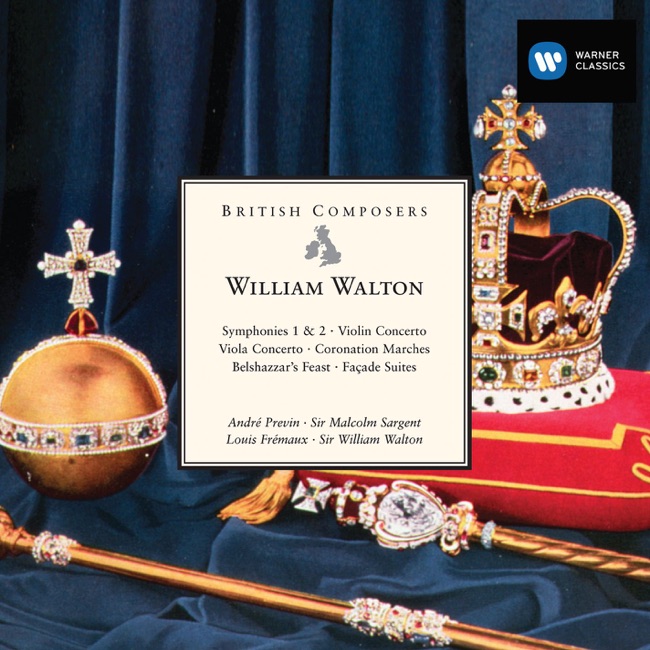
Featured Album
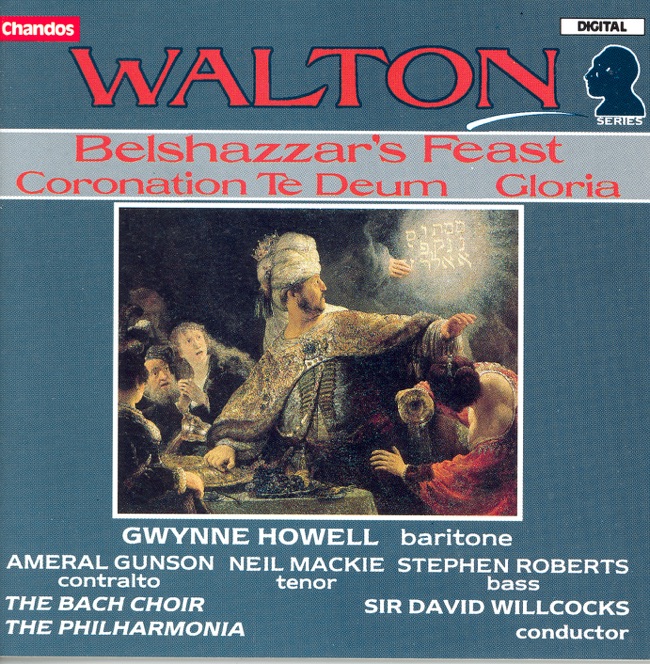
Works Info
Composer:William WaltonGenre:ChoralStyle:Mass OrdinaryCompose Date:1960 - 1961Average_duration:18:05William Walton's "Gloria" is a choral work that was composed in 1953. It was premiered on July 8, 1953, at the Three Choirs Festival in Worcester, England. The piece is divided into three movements, each with its own distinct characteristics. The first movement, "Gloria in Excelsis Deo," is a joyful and exuberant celebration of the glory of God. The choir sings the Latin text with great energy and enthusiasm, accompanied by a brass section that adds to the triumphant feel of the music. The movement is characterized by its use of fanfare-like motifs and its frequent shifts in tempo and dynamics. The second movement, "Laudamus Te," is a more subdued and introspective piece. The choir sings a duet with a solo soprano, who represents the voice of the Virgin Mary. The music is characterized by its gentle, flowing melodies and its use of rich harmonies. The movement ends with a quiet, contemplative section that leads into the final movement. The third movement, "Domine Deus," is a grand and majestic finale that brings the piece to a triumphant close. The choir sings the text with great power and intensity, accompanied by a full orchestra that adds to the grandeur of the music. The movement is characterized by its use of dramatic contrasts in tempo and dynamics, as well as its use of complex harmonies and counterpoint. Overall, "Gloria" is a powerful and uplifting work that showcases Walton's skill as a composer. Its use of rich harmonies, complex rhythms, and dramatic contrasts make it a challenging piece for performers, but also a rewarding one. The piece has become a staple of the choral repertoire and is frequently performed in churches and concert halls around the world.More....
Works Music