


Franz Liszt
Hungarian Rhapsody, for orchestra No. 4 in D minor, S. 359/4
Released Album
Recent Album



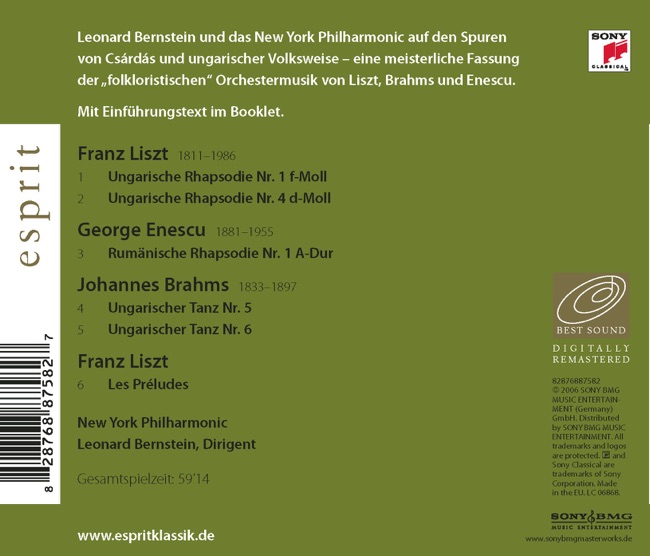
Featured Album
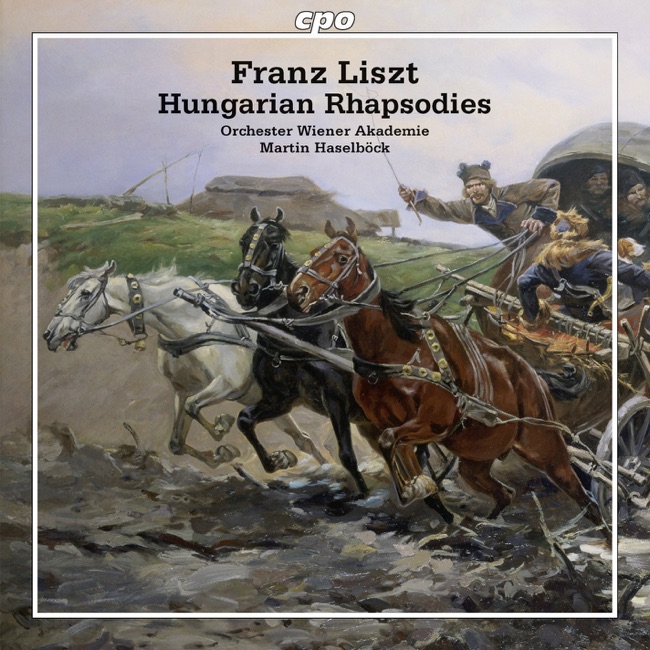
Works Info
Composer:Franz LisztGenre:OrchestralStyle:RhapsodyCompose Date:1860Publication Date:1875Average_duration:11:23Franz Liszt's Hungarian Rhapsody No. 4 in D minor, S. 359/4, is a virtuosic orchestral work that was composed in 1847. It premiered in Pest (now Budapest) on February 19, 1853, with the composer conducting. The piece is divided into two main sections, with a slow introduction followed by a fast and lively main section. The slow introduction features a mournful melody played by the cellos and basses, which is then taken up by the violins. This melody is based on a Hungarian folk song called "Székely Himnusz" (Transylvanian Hymn), which was a popular tune in Liszt's time. The main section of the rhapsody is a fast and energetic dance, featuring a variety of Hungarian folk melodies and rhythms. Liszt weaves these melodies together in a virtuosic display of orchestral color and technique. The music is full of sudden shifts in tempo and dynamics, as well as unexpected pauses and accents. One of the most striking features of the rhapsody is its use of the cimbalom, a traditional Hungarian instrument similar to a hammered dulcimer. Liszt includes a prominent cimbalom solo in the middle of the piece, which adds a distinctive and exotic flavor to the music. Overall, Liszt's Hungarian Rhapsody No. 4 is a thrilling and colorful showcase of Hungarian folk music and Liszt's own virtuosic style. Its popularity has endured to this day, and it remains one of Liszt's most beloved orchestral works.More....
Works Music
Released Music
1

6:19
2
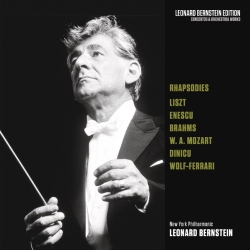
11:46
3
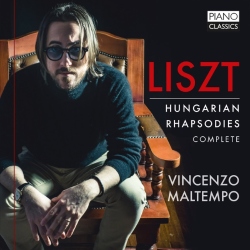
5:19
4
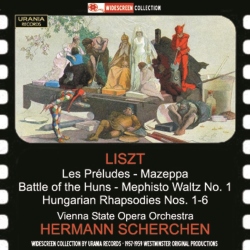
Hungarian Rhapsody, for orchestra no. 4 in D minor, p. 359/4
Hungarian Rhapsody No. 4 (No. 2, piano version)
12:4
5
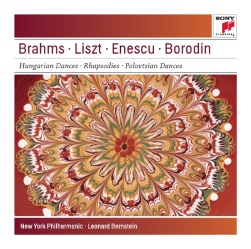
11:49
6
9:5
8
11:47

10
11:17
Featured Music
1
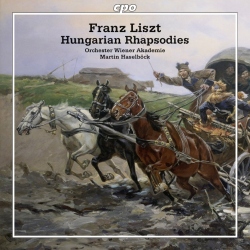
Hungarian Rhapsody, for orchestra no. 4 in D minor, p. 359/4
Hungarian Rhapsody No. 4 in D minor, S. 359/4
13:23
2
Hungarian Rhapsody, for orchestra no. 4 in D minor, p. 359/4
Hungarian Rhapsody No.4 in D minor, S.359 No.2
10:25
Main Perform Artists