Christoph Schaffrath
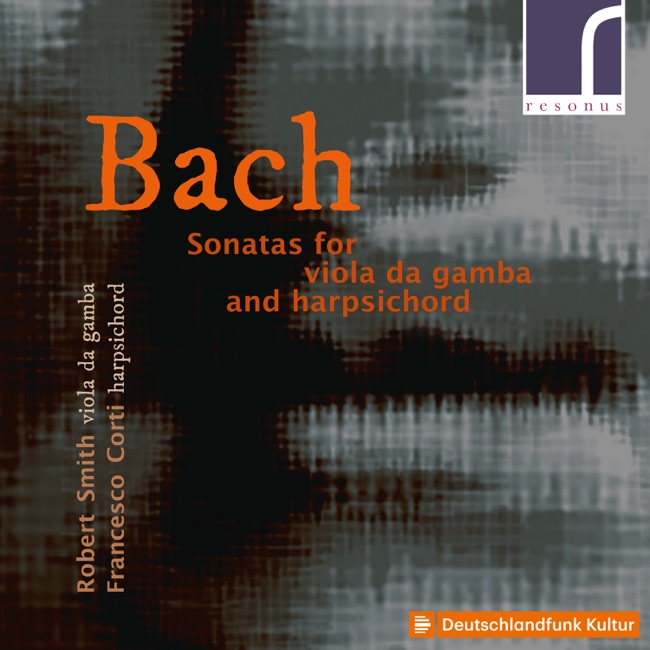
Sonata for harpsichord obligato & viola da gamba in A major
Released Album
Recent Album
Works Info
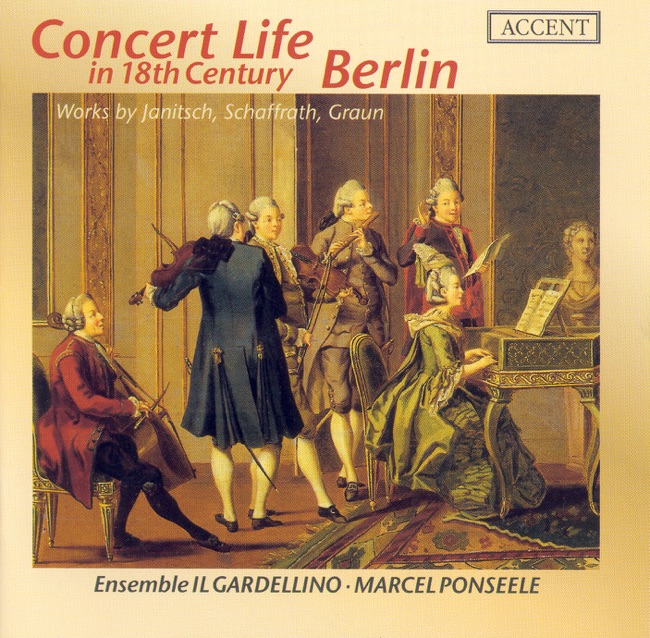
Composer:Christoph SchaffrathGenre:ChamberStyle:Chamber MusicAverage_duration:17:43Christoph Schaffrath's Sonata for harpsichord obligato & viola da gamba in A major is a beautiful and intricate piece of music that was composed in the mid-18th century. The exact date of composition is not known, but it is believed to have been written sometime between 1740 and 1750. The sonata is made up of three movements and was originally written for harpsichord and viola da gamba. The premiere of the sonata is also not known, but it is likely that it was performed in the court of Frederick the Great, who was a patron of Schaffrath. Schaffrath was a well-known composer and musician in his time, and he was highly regarded by Frederick the Great, who was a great lover of music. The first movement of the sonata is marked Allegro and is in A major. It is a lively and energetic movement that showcases the virtuosity of both the harpsichord and the viola da gamba. The second movement is marked Adagio and is in D major. It is a slower and more contemplative movement that allows the performers to showcase their expressive abilities. The final movement is marked Allegro and is in A major. It is a fast and lively movement that brings the sonata to a thrilling conclusion. One of the characteristics of the sonata is its use of counterpoint. Schaffrath was a master of counterpoint, and he uses it extensively throughout the sonata. The harpsichord and viola da gamba often play different melodies that intertwine and complement each other. Another characteristic of the sonata is its use of ornamentation. Both the harpsichord and viola da gamba are adorned with trills, mordents, and other decorative elements that add to the beauty and complexity of the music. Overall, Schaffrath's Sonata for harpsichord obligato & viola da gamba in A major is a masterpiece of Baroque music. Its intricate melodies, virtuosic performances, and use of counterpoint and ornamentation make it a joy to listen to and a testament to Schaffrath's skill as a composer.More....
Works Music