Diego Ortiz
Recercata quarta sopra canto piano
Released Album
Recent Album
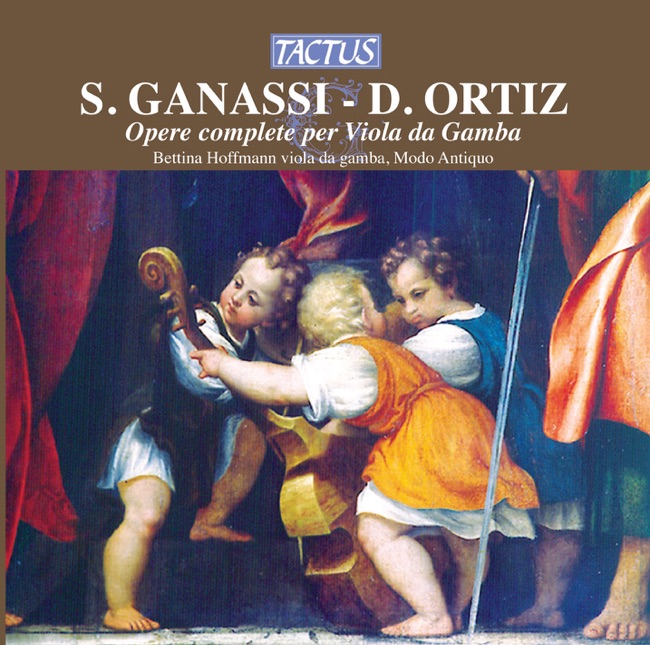
Featured Album
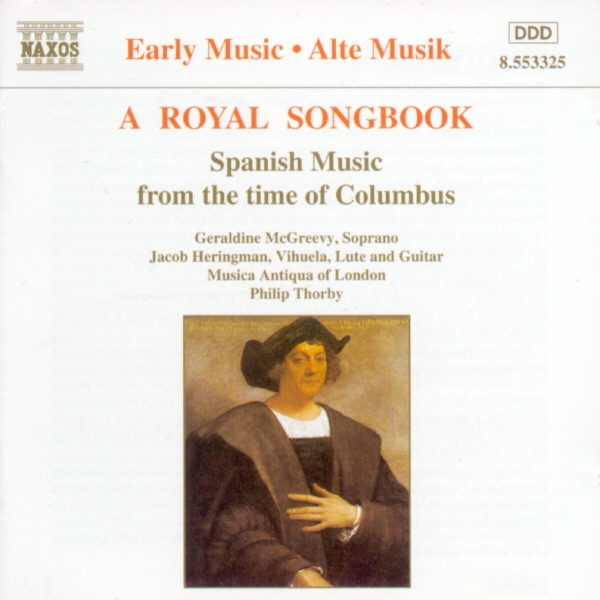
Works Info
Composer:Diego OrtizGenre:ChamberStyle:SongAverage_duration:1:50Diego Ortiz was a Spanish composer and music theorist who lived during the Renaissance period. He is best known for his work "Trattado de Glosas," which is a treatise on instrumental music. One of the pieces included in this work is the "Recercata quarta sopra canto piano," which is a solo instrumental piece for viola da gamba. The "Recercata quarta sopra canto piano" was composed in the late 16th century, and it is believed to have been premiered in Spain. The piece is divided into three movements, each of which has its own distinct characteristics. The first movement is marked "Allegro," and it is characterized by its lively and energetic tempo. The viola da gamba plays a series of fast and intricate runs, which are interspersed with short pauses and rests. The melody is highly ornamented, with trills, turns, and other embellishments that add to the virtuosic nature of the piece. The second movement is marked "Adagio," and it is a slower and more contemplative section. The viola da gamba plays a simple and lyrical melody, which is accompanied by a series of chords on the harpsichord. The harmonies are rich and full, and they provide a sense of depth and complexity to the piece. The final movement is marked "Allegro," and it is a return to the fast and energetic tempo of the first movement. The viola da gamba plays a series of rapid runs and arpeggios, which are accompanied by a lively and rhythmic bass line on the harpsichord. The melody is highly ornamented, with trills, turns, and other embellishments that showcase the virtuosic abilities of the performer. Overall, the "Recercata quarta sopra canto piano" is a highly virtuosic and technically demanding piece of music. It showcases the composer's skill in writing for the viola da gamba, as well as his ability to create complex and intricate harmonies. The piece is a testament to the rich musical tradition of the Renaissance period, and it continues to be performed and studied by musicians and scholars today.More....
Works Music