Carlo Gesualdo
Donna se m'ancidete, W. 3/71
Released Album
Recent Album
Works Info
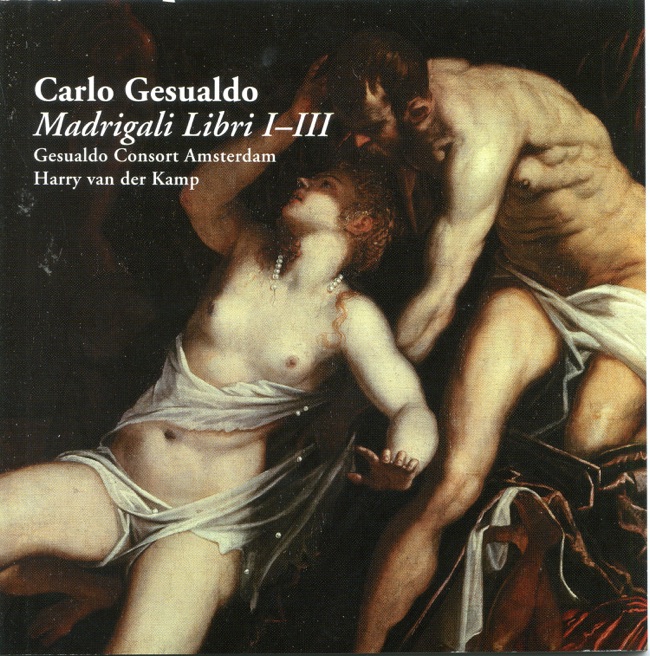
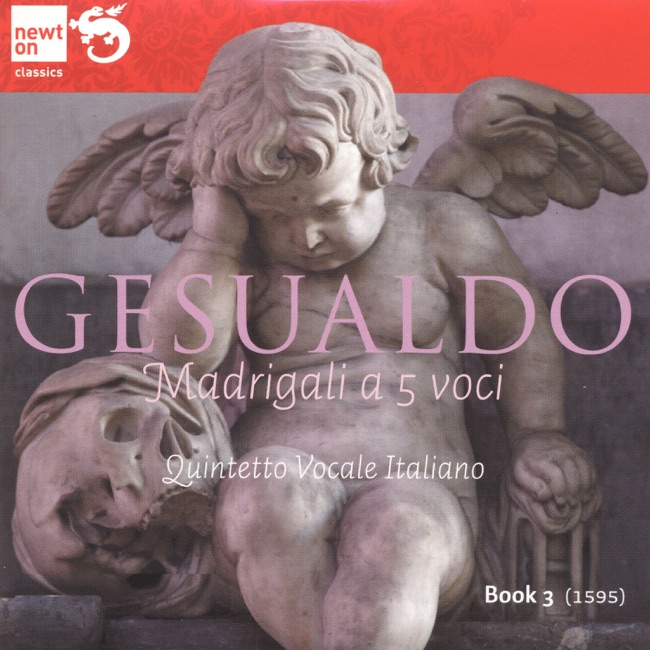
Composer:Carlo GesualdoGenre:VocalStyle:MadrigalCompose Date:1595Average_duration:2:21"Donna se m'ancidete" is a madrigal composed by Carlo Gesualdo, an Italian composer and nobleman of the late Renaissance period. The piece was composed in the late 16th century, around 1590, and is part of Gesualdo's sixth book of madrigals. The piece is in five movements, each with its own distinct character and mood. The first movement is marked "Allegro," and features a lively, dance-like rhythm. The second movement, marked "Adagio," is slower and more contemplative, with a mournful melody that reflects the text's themes of love and loss. The third movement, marked "Allegro," returns to the lively, dance-like rhythm of the first movement, but with a more complex and intricate texture. The fourth movement, marked "Adagio," is similar in mood to the second movement, but with a more complex and ornate melody. The final movement, marked "Allegro," is a lively and energetic conclusion to the piece, with a complex and intricate texture that showcases Gesualdo's skill as a composer. One of the most striking characteristics of "Donna se m'ancidete" is Gesualdo's use of chromaticism. The piece is full of unexpected and unusual harmonies, with frequent shifts in tonality that create a sense of tension and instability. This use of chromaticism was highly unusual for the time, and is one of the reasons why Gesualdo's music has been so influential on later composers. Overall, "Donna se m'ancidete" is a complex and intricate piece of music that showcases Gesualdo's skill as a composer. Its use of chromaticism and complex textures make it a challenging piece for performers, but also a rewarding one for those who are able to master its intricacies.More....
Works Music
Released Music