Luys de Narváez
Cancion in the 1st tone, after Nicolaus Gombert's Canzon
Works Info
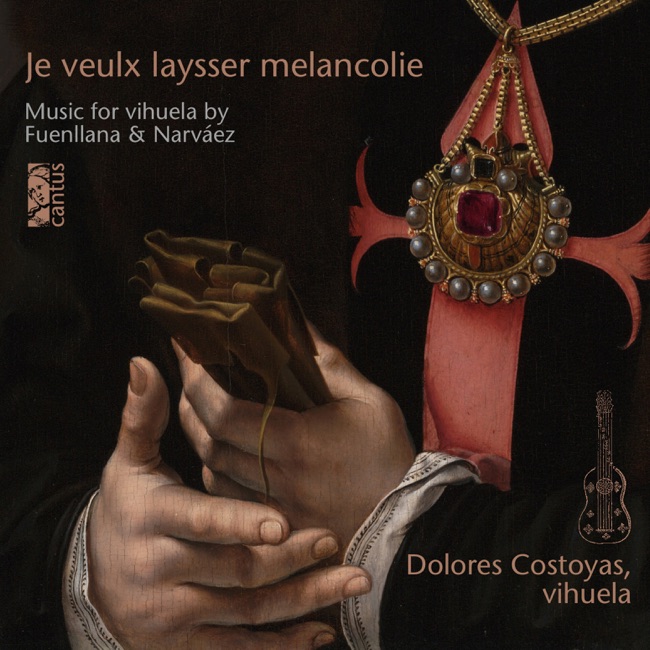
Composer:Luys de NarváezGenre:ChamberStyle:SongAverage_duration:2:05Luys de Narváez was a Spanish composer and vihuelist who lived during the Renaissance period. He is known for his contributions to the development of the vihuela, a plucked string instrument similar to the guitar. One of his most famous works is the "Cancion in the 1st tone, after Nicolaus Gombert's Canzon," which was composed in the 16th century. The "Cancion in the 1st tone" is a piece for solo vihuela that is based on a canzon by Nicolaus Gombert, a Flemish composer of the Renaissance. The piece is divided into four movements, each with its own distinct character and mood. The first movement is marked "Allegro" and is characterized by its lively and energetic rhythm. The vihuela plays a series of fast and intricate arpeggios, which are interspersed with melodic passages that are played with great precision and clarity. The second movement is marked "Adagio" and is much slower and more contemplative than the first. The vihuela plays a series of long, sustained notes that are punctuated by short, delicate arpeggios. The overall effect is one of great beauty and serenity. The third movement is marked "Allegro" and is similar in character to the first. The vihuela plays a series of fast and complex arpeggios, which are interspersed with melodic passages that are played with great skill and dexterity. The final movement is marked "Adagio" and is the most introspective and contemplative of the four. The vihuela plays a series of slow, mournful notes that are full of pathos and emotion. The piece ends on a quiet and reflective note, leaving the listener with a sense of peace and tranquility. Overall, the "Cancion in the 1st tone, after Nicolaus Gombert's Canzon" is a beautiful and complex piece of music that showcases Narváez's skill as a composer and vihuelist. Its four movements are each unique and distinct, yet they come together to form a cohesive and harmonious whole. It is a testament to the beauty and power of Renaissance music, and a reminder of the enduring legacy of this great composer.More....
Works Music