


Pyotr Il'yich Tchaikovsky (Pyotr Ilyich Tchaikovsky)
Oh no! Do not love me for my beauty
Released Album
Recent Album
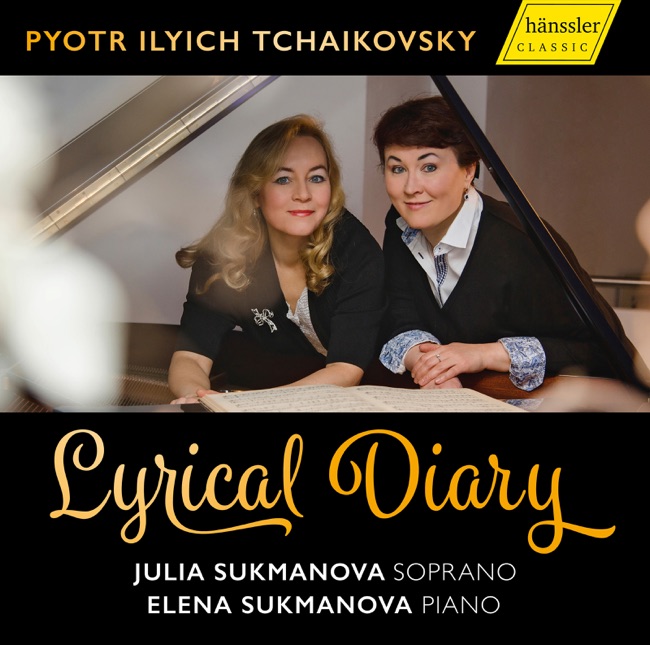
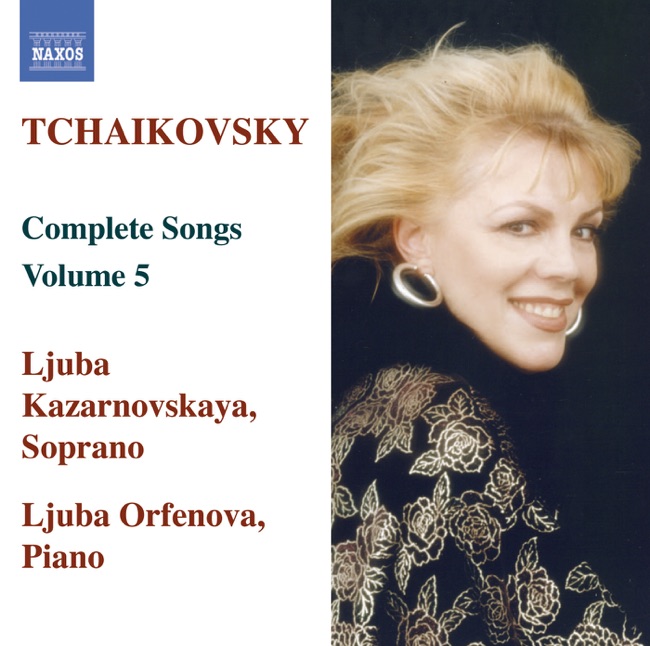
Works Info
Composer:Pyotr Il'yich TchaikovskyGenre:VocalStyle:Vocal MusicCompose Date:ca. 1886Average_duration:1:54"Oh no! Do not love me for my beauty" is a song composed by Pyotr Il'yich Tchaikovsky in 1878. It was premiered in Moscow on January 25, 1879, with the composer himself at the piano and the famous Russian soprano, Yelizaveta Lavrovskaya, as the singer. The song is part of a collection of six romances, Op. 27, which Tchaikovsky composed between 1875 and 1878. The song is in the key of F minor and has a moderate tempo. It consists of three verses, each with a different melody, and a coda. The text is a poem by Aleksey Tolstoy, a Russian writer and poet, and tells the story of a woman who is afraid that her lover only loves her for her beauty and not for who she truly is. The music perfectly captures the melancholic and introspective mood of the poem, with its haunting melody and rich harmonies. The first verse begins with a simple piano introduction, followed by the singer's entrance with the words "Oh no! Do not love me for my beauty." The melody is lyrical and expressive, with a rising and falling contour that reflects the emotional turmoil of the protagonist. The piano accompaniment is sparse and delicate, with occasional bursts of arpeggios and chords that add color and depth to the music. The second verse is more agitated and passionate, with a faster tempo and a more complex piano part. The singer's voice rises to a climax on the words "I am not a flower that blooms and fades," expressing her desire to be loved for her inner qualities rather than her external appearance. The piano responds with a flurry of notes that convey the intensity of the moment. The third verse is more subdued and introspective, with a slower tempo and a simpler piano accompaniment. The singer's voice becomes more tender and vulnerable, as she confesses her fears and doubts. The melody is haunting and poignant, with a descending contour that suggests a sense of resignation and acceptance. The coda brings the song to a close with a gentle piano postlude that echoes the opening theme. The singer repeats the words "Oh no! Do not love me for my beauty" one last time, but this time with a sense of hope and longing. The music fades away into silence, leaving the listener with a sense of melancholy and introspection. Overall, "Oh no! Do not love me for my beauty" is a masterpiece of Russian art song, showcasing Tchaikovsky's gift for melody, harmony, and emotional expression. It is a timeless work of art that speaks to the universal human experience of love, beauty, and self-doubt.More....
Works Music
Released Music
2
1:54