Franz Joseph Haydn
Baryton Trio in D major, H. 11/42
Released Album
Recent Album
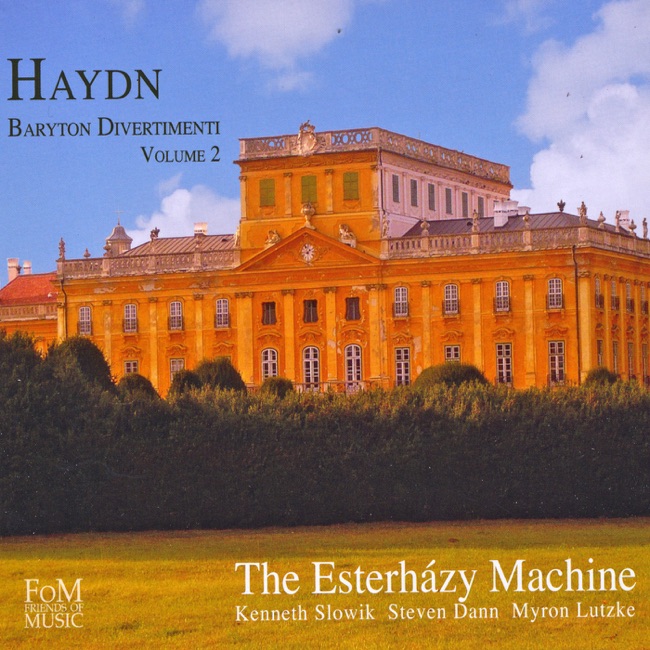
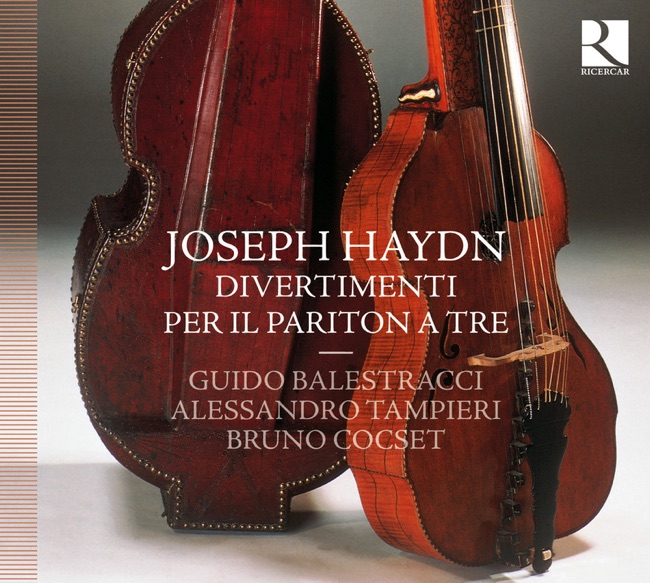
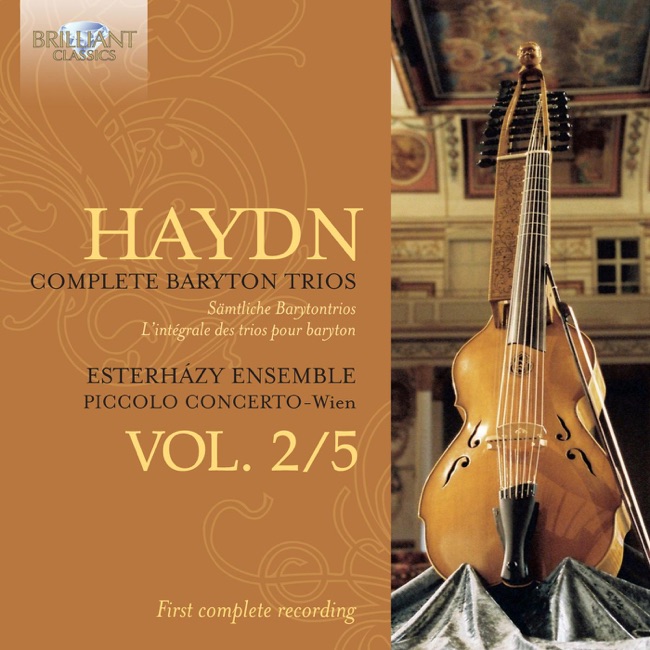
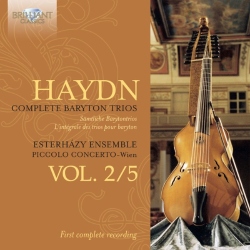
Works Info
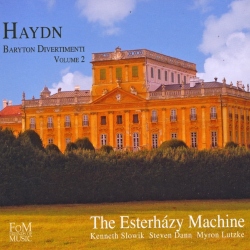
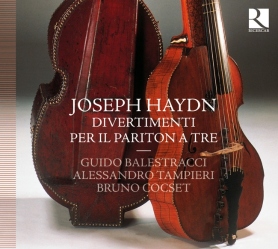
Composer:Franz Joseph HaydnGenre:ChamberCompose Date:1767Average_duration:12:21Movement_count:3Movement ....The Baryton Trio in D major, H. 11/42, is a chamber music piece composed by Franz Joseph Haydn. It was composed in the late 1760s or early 1770s, during Haydn's tenure as Kapellmeister for the Esterházy family. The piece was likely written for Prince Nikolaus Esterházy, who was an avid baryton player. The Baryton Trio in D major consists of three movements: Allegro moderato, Menuetto, and Finale: Presto. The first movement is in sonata form, with a lively and energetic opening theme that is developed throughout the movement. The second movement is a minuet and trio, with a graceful and elegant melody that is passed between the baryton, viola, and cello. The final movement is a fast and playful presto, with a lively and syncopated rhythm that showcases the virtuosity of the baryton player. The baryton is a unique instrument that was popular in the 18th century. It is similar to a viola da gamba, but has an additional set of sympathetic strings that are played by plucking or strumming. The baryton was particularly popular in the Esterházy court, and Prince Nikolaus was known for his skill on the instrument. Haydn wrote over 120 works for baryton, including trios, divertimenti, and solo pieces. The Baryton Trio in D major is a charming and delightful work that showcases Haydn's skill as a composer and his understanding of the baryton. The piece is notable for its lively and energetic melodies, its graceful and elegant minuet, and its playful and virtuosic finale. It is a testament to Haydn's ability to write music that is both technically challenging and musically satisfying, and it remains a popular work in the chamber music repertoire.More....
Works Music
Released Music
2
3:33