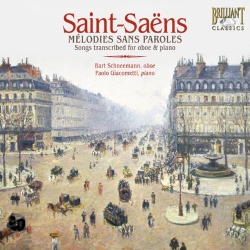
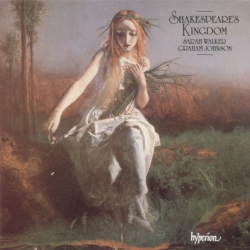
Camille Saint-Saëns
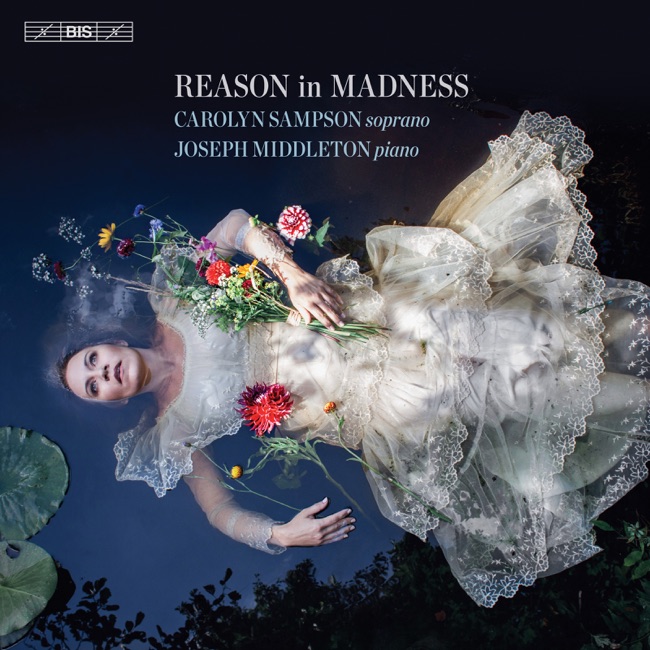
La Mort d'Ophélie
Released Album
Recent Album
Works Info
Composer:Camille Saint-SaënsGenre:VocalStyle:SongCompose Date:ca. 1857Average_duration:3:06"La Mort d'Ophélie" is a vocal work composed by Camille Saint-Saëns in 1856. It is a setting of a text from William Shakespeare's play "Hamlet," specifically the scene in which Ophelia, driven mad by grief and despair, drowns herself in a stream. The work was premiered in Paris in 1857. The piece is divided into three movements. The first movement, marked "Andante," begins with a mournful melody played by the piano. The vocal line enters, singing of Ophelia's death and the flowers that surround her. The music is somber and melancholy, with frequent chromaticism and dissonance. The piano accompaniment is sparse, with occasional flourishes that add to the overall sense of sadness. The second movement, marked "Allegro," is more agitated and frenzied. The vocal line becomes more declamatory, with Ophelia's madness and despair coming to the forefront. The piano accompaniment is more active, with rapid arpeggios and runs that suggest the rushing water of the stream in which Ophelia drowns. The music becomes increasingly dissonant and fragmented, reflecting Ophelia's mental state. The final movement, marked "Andante," returns to the mournful mood of the first movement. The vocal line is more subdued, with Ophelia's voice now silenced forever. The piano accompaniment is again sparse, with occasional flourishes that suggest the flowers that surround Ophelia's body. The music ends on a quiet, unresolved chord, suggesting the tragedy and senselessness of Ophelia's death. Overall, "La Mort d'Ophélie" is a haunting and powerful work that captures the emotional intensity of Shakespeare's play. Saint-Saëns' use of chromaticism and dissonance creates a sense of unease and tension, while the sparse piano accompaniment allows the vocal line to take center stage. The work remains a popular choice for vocalists and pianists today, and is considered one of Saint-Saëns' most important early works.More....
Works Music
Released Music
1
8:50
3
3:55