


Charles Avison
Concerto Grosso No. 5 in D minor (after Scarlatti)
Released Album
Recent Album

Featured Album
Works Info
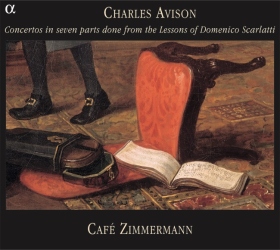
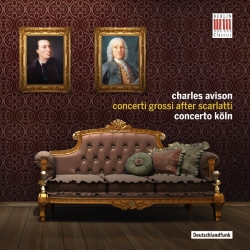
Composer:Charles AvisonGenre:ConcertoStyle:ConcertoAverage_duration:10:18Movement_count:4Movement ....Charles Avison's Concerto Grosso No. 5 in D minor (after Scarlatti) was composed in the mid-18th century and premiered in Newcastle upon Tyne, England. The concerto is divided into four movements, with the first and last being in the minor key and the second and third in the relative major key. The first movement, marked Allegro, begins with a lively and energetic theme played by the first violins. This theme is then passed on to the other instruments in the orchestra, creating a sense of unity and cohesion. The second theme is more subdued and melancholic, providing a contrast to the first theme. The movement ends with a recapitulation of the first theme, bringing the movement to a satisfying close. The second movement, marked Andante, is a beautiful and lyrical piece that showcases the expressive capabilities of the orchestra. The main theme is played by the first violins and is then passed on to the other instruments, creating a sense of intimacy and warmth. The movement ends with a gentle and peaceful coda. The third movement, marked Allegro, is a lively and playful piece that features a fast and intricate violin solo. The solo is then passed on to the other instruments, creating a sense of competition and virtuosity. The movement ends with a thrilling and energetic coda. The fourth and final movement, marked Allegro, is a triumphant and majestic piece that features a grand and powerful theme played by the entire orchestra. This theme is then developed and expanded upon, creating a sense of grandeur and majesty. The movement ends with a thrilling and exhilarating coda, bringing the concerto to a rousing close. Overall, Avison's Concerto Grosso No. 5 in D minor (after Scarlatti) is a masterful work that showcases the composer's skill and creativity. The concerto is characterized by its lively and energetic themes, expressive melodies, and virtuosic solo passages. It is a testament to the enduring legacy of the concerto grosso form and the enduring influence of Scarlatti's music on later composers.More....
Works Music
Released Music
1
3:1
2

2:44
3
3:1
Featured Music
1
2:19