Havergal Brian
Symphony No. 8 in B flat minor
Released Album
Recent Album
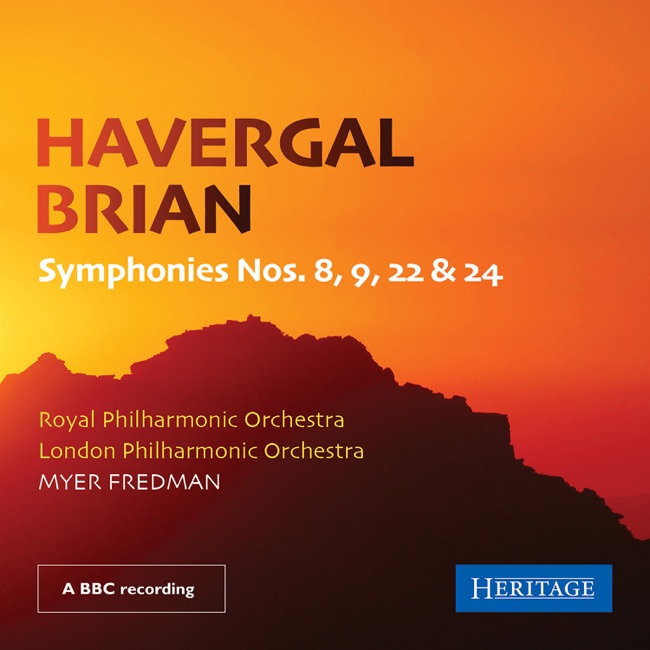
Works Info
Composer:Havergal BrianGenre:SymphonyStyle:SymphonyAverage_duration:24:51Symphony No. 8 in B flat minor is a monumental work composed by Havergal Brian, a British composer, between 1906 and 1927. The symphony is known for its massive orchestration, complex harmonies, and unconventional structure. It was premiered on November 9, 1958, by the Royal Liverpool Philharmonic Orchestra, conducted by Sir Charles Groves. The symphony is divided into four movements, each with its own distinct character. The first movement, marked Allegro moderato, opens with a brooding theme in the low strings, which is then taken up by the woodwinds and brass. The music builds to a climax before subsiding into a quieter section, which features a haunting melody in the solo violin. The movement ends with a return of the opening theme, played by the full orchestra. The second movement, marked Adagio, is a slow and mournful piece, featuring a solo cello and a solo horn. The music is characterized by long, sustained notes and a sense of melancholy. The movement builds to a powerful climax before fading away into silence. The third movement, marked Allegro vivace, is a lively and energetic scherzo. The music is characterized by its rhythmic drive and playful melodies. The movement features a number of contrasting sections, including a lyrical trio section and a frenzied coda. The final movement, marked Moderato maestoso, is a massive and complex piece that brings together themes from the previous movements. The music is characterized by its grandeur and sense of triumph. The movement features a number of climactic moments, including a massive fugue and a soaring melody in the brass. The symphony ends with a triumphant coda, played by the full orchestra. Overall, Symphony No. 8 in B flat minor is a monumental work that showcases Havergal Brian's mastery of orchestration and harmony. The symphony is known for its massive scale and unconventional structure, which make it a challenging but rewarding work for both performers and listeners.More....