William Byrd
Haec dies, motet for 3 voices
Released Album
Featured Album
Works Info
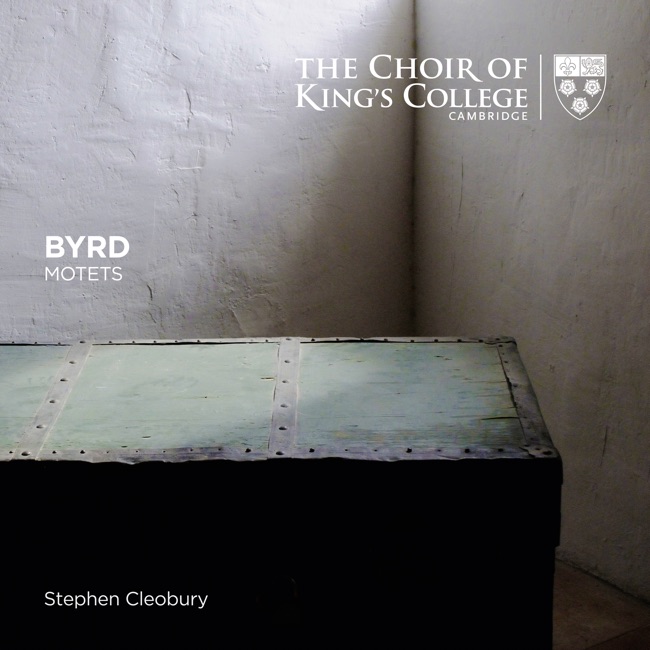
Composer:William ByrdGenre:ChoralStyle:MotetAverage_duration:2:51Haec dies is a motet for three voices composed by William Byrd, one of the most prominent English composers of the Renaissance period. The piece was composed in the late 16th century, around 1590, during the reign of Queen Elizabeth I. It is believed to have been written for the Chapel Royal, where Byrd served as a Gentleman of the Chapel. The motet is in Latin and is based on a text from Psalm 118, which celebrates the resurrection of Christ. The piece is divided into three movements, each with its own distinct character and mood. The first movement is marked "Allegro" and is in a lively triple meter. It begins with a joyful and exuberant fanfare-like motif in the upper voices, which is then echoed by the lower voice. The music then settles into a more contrapuntal texture, with the three voices weaving in and out of each other in a complex and intricate interplay. The second movement is marked "Adagio" and is in a slower, more contemplative tempo. The music is more homophonic in texture, with the three voices singing in unison or in simple harmonies. The mood is more introspective and meditative, reflecting the solemnity of the text. The final movement is marked "Allegro" and is in a fast, dance-like tempo. The music is lively and energetic, with the three voices singing in close harmony and imitating each other's melodies. The mood is celebratory and triumphant, reflecting the joy and exultation of the resurrection. Overall, Haec dies is a masterful example of Byrd's skill as a composer. The piece showcases his ability to create complex and intricate polyphonic textures, while also demonstrating his sensitivity to the text and his ability to convey a range of emotions through music. It remains a beloved and frequently performed work in the choral repertoire.More....
Works Music
Featured Music