


Nino Rota
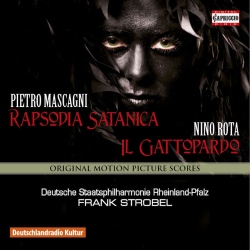
Il Gattopardo
Released Album
Recent Album
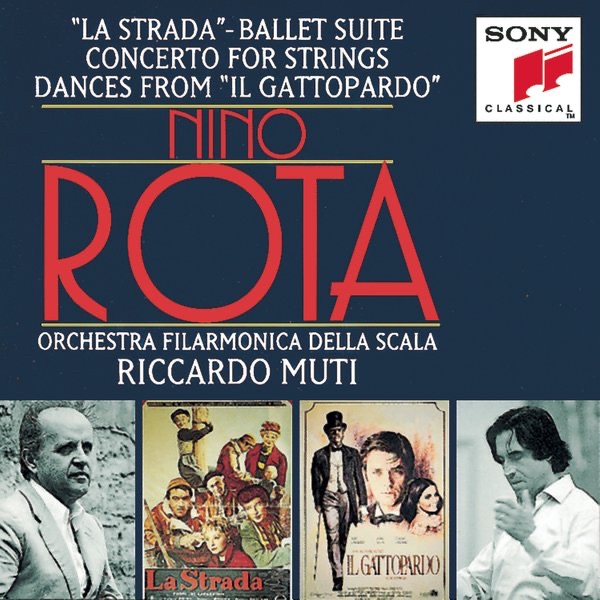
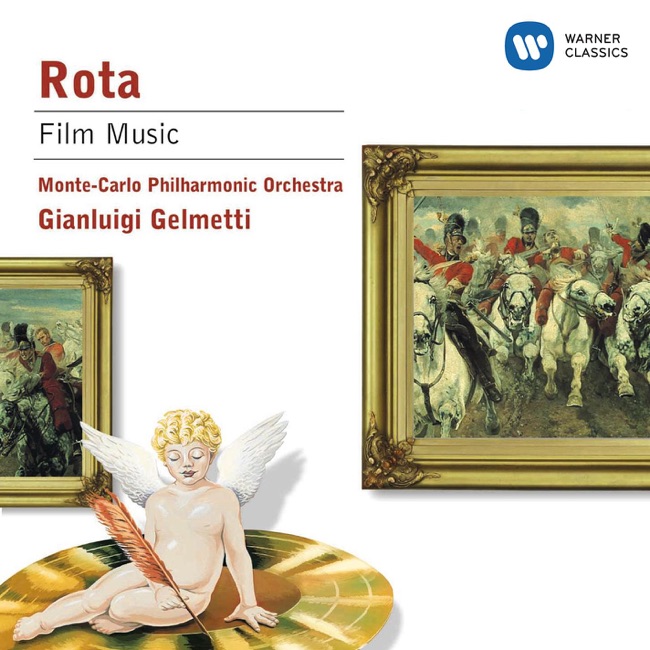
Featured Album
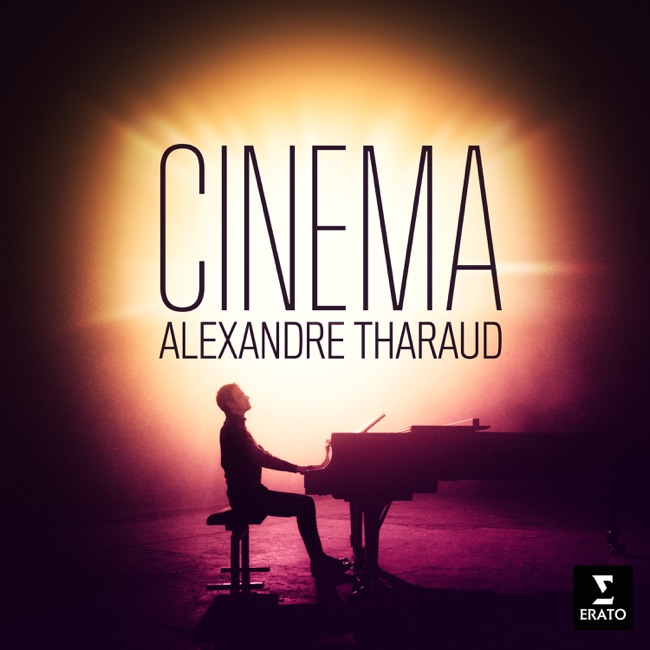
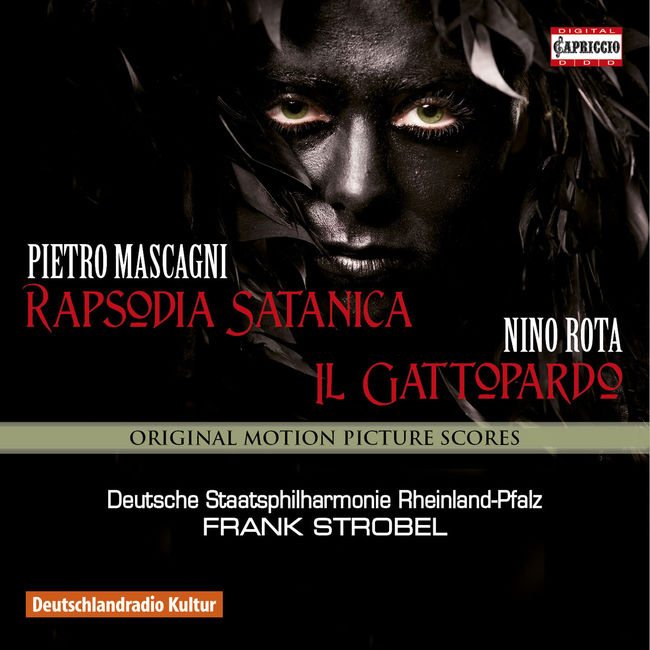
Works Info
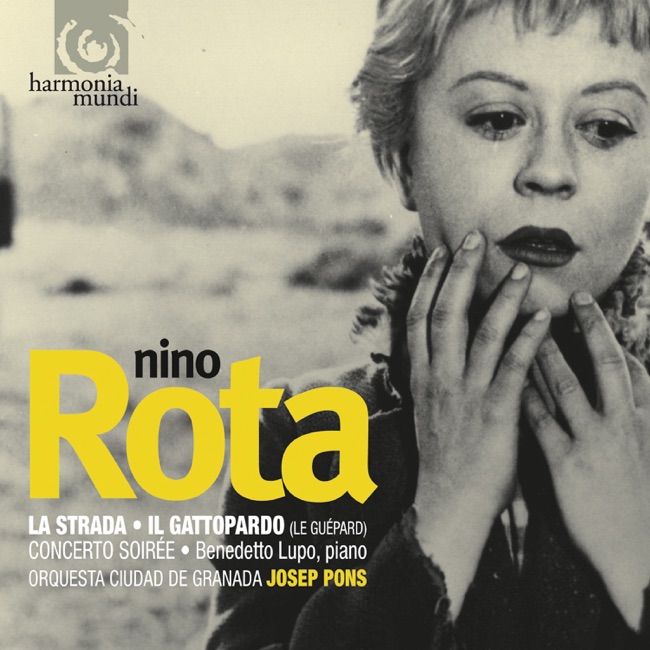
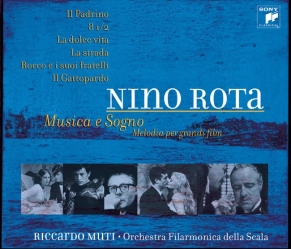
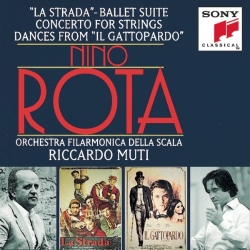
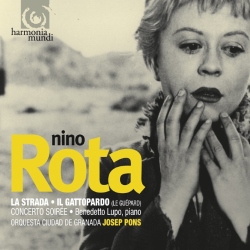
Composer:Nino RotaGenre:FilmStyle:Film ScoreCompose Date:1963Average_duration:41:47Il Gattopardo is a film directed by Luchino Visconti, released in 1963. The film is based on the novel of the same name by Giuseppe Tomasi di Lampedusa. The soundtrack of the film was composed by Nino Rota, an Italian composer who is best known for his work in film scores. The premiere of Il Gattopardo was held on March 28, 1963, in Rome, Italy. The film was a critical and commercial success, winning the Palme d'Or at the Cannes Film Festival in the same year. The soundtrack of Il Gattopardo is composed of 12 movements, each of which is named after a character or a scene from the film. The first movement, titled "Titoli di Testa," is the opening credits of the film and sets the tone for the rest of the soundtrack. The second movement, "Angelica e Tancredi," is a romantic theme that is associated with the two main characters of the film. The third movement, "Conversazione," is a light and playful piece that is used in several scenes throughout the film. The fourth movement, "La Ricotta," is a lively and energetic piece that is used in a scene where the characters are eating ricotta cheese. The fifth movement, "Valzer Brillante," is a waltz that is used in a ballroom scene in the film. The sixth movement, "Controdanza," is a lively dance piece that is used in a scene where the characters are dancing. The seventh movement, "Polka," is a fast-paced dance piece that is used in a scene where the characters are celebrating. The eighth movement, "Notturno," is a slow and melancholic piece that is used in a scene where the characters are reflecting on their lives. The ninth movement, "La Processione," is a religious piece that is used in a scene where the characters are attending a procession. The tenth movement, "Finale," is the closing credits of the film and features a reprise of the main theme. The eleventh movement, "Angelica e Tancredi (Versione 2)," is a variation of the romantic theme that is used in a later scene in the film. The twelfth and final movement, "Valzer del Commiato," is a waltz that is used in the final scene of the film. The characteristics of the soundtrack of Il Gattopardo are that it is a mix of classical and traditional Italian music. The soundtrack features a variety of instruments, including strings, woodwinds, and percussion. The music is used to enhance the emotions and moods of the scenes in the film, and the themes are often repeated throughout the soundtrack to create a sense of continuity. Overall, the soundtrack of Il Gattopardo is a beautiful and memorable piece of music that perfectly complements the film.More....
Works Music
Released Music
2
3:10
Featured Music
Main Perform Artists
Keyboards
Cello
Piano
Primary Artist