Pierre Boulez
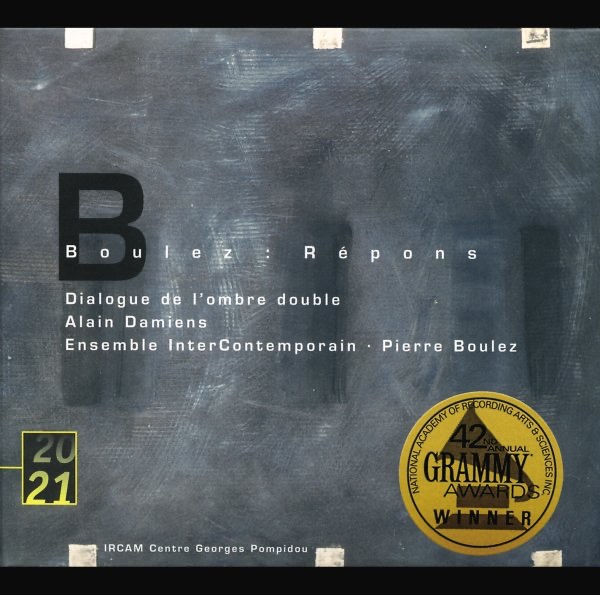
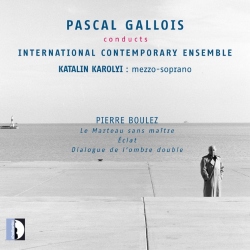
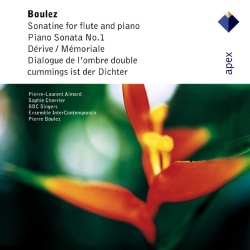
Dialogue de l'ombre double
Released Album
Recent Album


Featured Album
Works Info
Composer:Pierre BoulezGenre:ChamberStyle:Electro-Acoustic MusicCompose Date:1982 - 1995Average_duration:18:14Dialogue de l'ombre double is a composition for clarinet and electronics by Pierre Boulez. It was composed in 1982 and premiered on October 6, 1985, at the Donaueschingen Festival in Germany. The piece is divided into nine movements, each exploring different aspects of the dialogue between the live clarinet and the pre-recorded electronic sounds. The first movement, "Introduction," sets the stage for the piece with a series of electronic sounds that gradually build in intensity. The second movement, "Solo," features the live clarinet playing a virtuosic solo while the electronic sounds provide a backdrop of shifting textures and colors. The third movement, "Dialogue 1," is the first of several movements that explore the interplay between the live clarinet and the pre-recorded sounds. In this movement, the clarinet and electronics engage in a call-and-response dialogue, with each taking turns leading the conversation. The fourth movement, "Interlude 1," provides a moment of respite from the intense dialogue of the previous movements. The electronic sounds are more subdued, and the clarinet plays a gentle melody. The fifth movement, "Dialogue 2," is another call-and-response movement, but this time the electronic sounds are more aggressive and confrontational. The clarinet responds with a series of rapid-fire runs and trills. The sixth movement, "Interlude 2," is similar to the first interlude, but this time the electronic sounds are more active and complex. The seventh movement, "Dialogue 3," is the most intense and confrontational of the movements. The electronic sounds are harsh and abrasive, and the clarinet responds with a series of aggressive gestures. The eighth movement, "Interlude 3," provides a moment of calm before the final movement. The electronic sounds are more subdued, and the clarinet plays a mournful melody. The ninth and final movement, "Epilogue," brings the piece to a close with a series of electronic sounds that gradually fade away. The clarinet plays a final, mournful melody before the piece ends in silence. Overall, Dialogue de l'ombre double is a complex and challenging work that explores the relationship between live performance and pre-recorded sounds. The piece requires a virtuosic clarinetist who is able to navigate the intricate rhythms and complex textures of the score. The electronic sounds are equally demanding, requiring careful programming and precise timing to create the desired effects. Despite its challenges, Dialogue de l'ombre double is considered one of Boulez's most important works and a landmark in the development of electroacoustic music.More....
Works Music
Released Music


5

19:13

Featured Music