Franz Liszt
Dichter, was Liebe sei, S. 288
Released Album
Recent Album
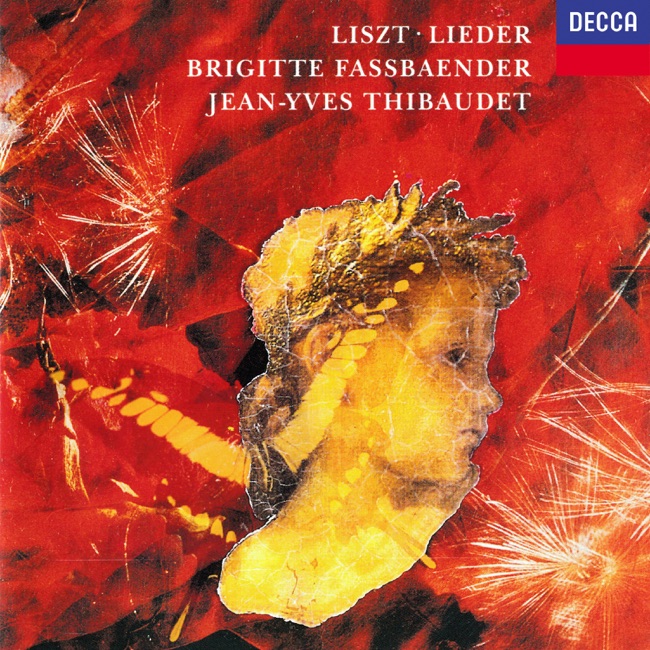
Featured Album
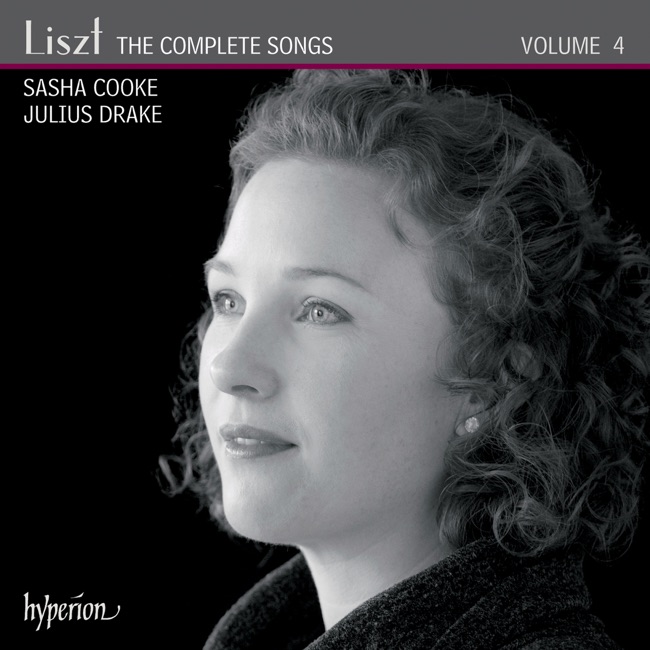
Works Info
Composer:Franz LisztGenre:VocalStyle:SongCompose Date:1843 - 1879Publication Date:1844 - 1879Average_duration:1:08"Dichter, was Liebe sei" (Poet, what is love?) is a song composed by Franz Liszt in 1842. It is part of his collection of songs entitled "Three Petrarch Sonnets" (Trois Sonnets de Pétrarque), S. 270. The song was premiered in Weimar, Germany, on August 22, 1842, with the composer himself at the piano and the tenor Julius Stockhausen as the soloist. The song is divided into three movements, each of which corresponds to a sonnet by the Italian poet Francesco Petrarca (Petrarch). The first movement is based on Sonnet 47, the second on Sonnet 104, and the third on Sonnet 123. The text of the sonnets is in Italian, and Liszt set them to music in the original language. The first movement is marked "Agitato assai" (very agitated) and is characterized by a restless, almost frenzied piano accompaniment that underscores the passionate and tormented nature of the text. The tenor sings of the pain and anguish caused by his unrequited love, and the music reflects his emotional turmoil. The second movement is marked "Andante amoroso" (lovingly slow) and is more lyrical and introspective than the first. The piano accompaniment is more subdued, and the tenor's voice is more tender and expressive. The text speaks of the beauty and perfection of the beloved, and the music conveys a sense of awe and reverence. The third movement is marked "Allegro vivace" (lively and fast) and is the most exuberant and joyful of the three. The piano accompaniment is lively and playful, and the tenor's voice is full of energy and enthusiasm. The text speaks of the power of love to conquer all obstacles, and the music reflects this triumphal spirit. Overall, "Dichter, was Liebe sei" is a powerful and emotional work that showcases Liszt's skill as a composer of vocal music. The music is highly expressive and perfectly captures the mood and meaning of the text. It is a testament to Liszt's ability to create music that is both technically challenging and emotionally compelling.More....
Works Music
Released Music
Featured Music