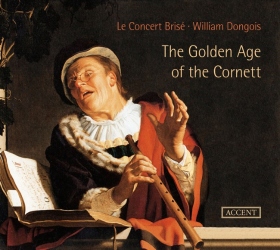
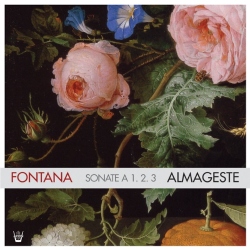
Giovanni Battista Fontana
Sonata Undecima
Released Album
Recent Album
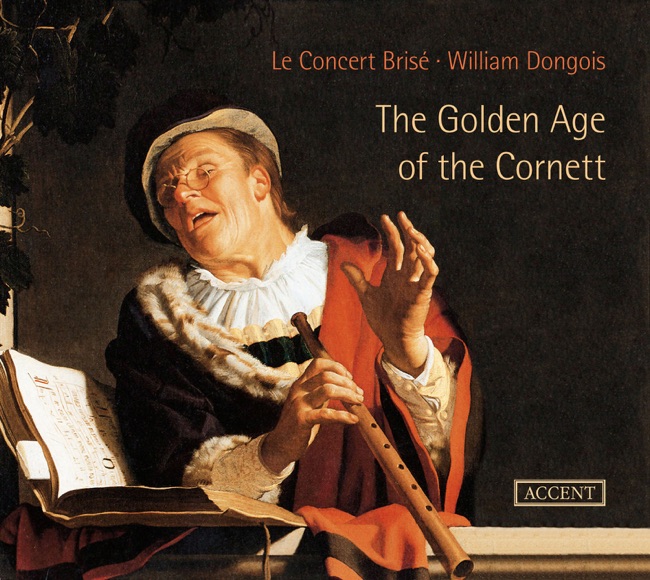
Works Info
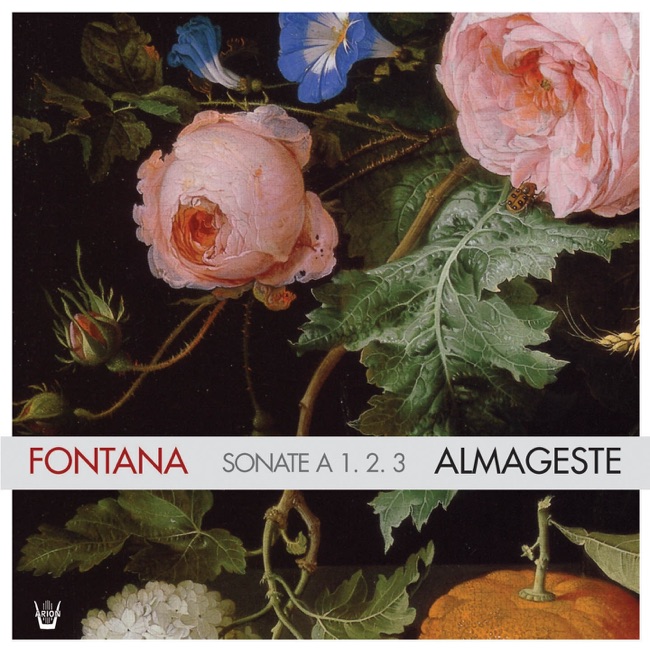
Composer:Giovanni Battista FontanaGenre:MiscellaneousStyle:SonataAverage_duration:5:38Giovanni Battista Fontana was an Italian composer and violinist who lived during the Baroque period. He is known for his contributions to the development of instrumental music, particularly the sonata. One of his most famous works is the Sonata Undecima, which was composed in the early 17th century. The Sonata Undecima is a three-movement work for violin and basso continuo. It was likely composed around 1641, although the exact date is unknown. The piece was first published in 1644 in Fontana's collection of sonatas, entitled "Sonate a 1.2.3. per il violino, o cornetto, fagotto, chitarone, violoncino o simile altro istromento." The first movement of the Sonata Undecima is marked "Adagio" and is in the key of D minor. It begins with a slow, mournful melody played by the violin, accompanied by the basso continuo. The melody is then repeated with variations, showcasing Fontana's skill as a composer and his ability to create complex and interesting musical textures. The second movement is marked "Allegro" and is in the key of A minor. It is a lively and energetic dance, with the violin and basso continuo trading off melodic lines and rhythms. The movement features a number of virtuosic passages for the violin, demonstrating Fontana's skill as a violinist as well as a composer. The final movement is marked "Adagio" and is in the key of D minor. It is a slow and contemplative piece, with the violin playing a simple, lyrical melody over a gently pulsing basso continuo. The movement builds to a climax before resolving back to the opening melody, bringing the piece to a peaceful and satisfying conclusion. Overall, the Sonata Undecima is a beautiful and expressive work that showcases Fontana's skill as a composer and violinist. Its three movements offer a range of moods and textures, from the mournful opening to the lively dance of the second movement and the contemplative final movement. It is a testament to the richness and diversity of Baroque instrumental music, and a lasting contribution to the canon of classical music.More....