Carlo Gesualdo
Tenebrae factae sunt, W. 7/51
Released Album
Recent Album
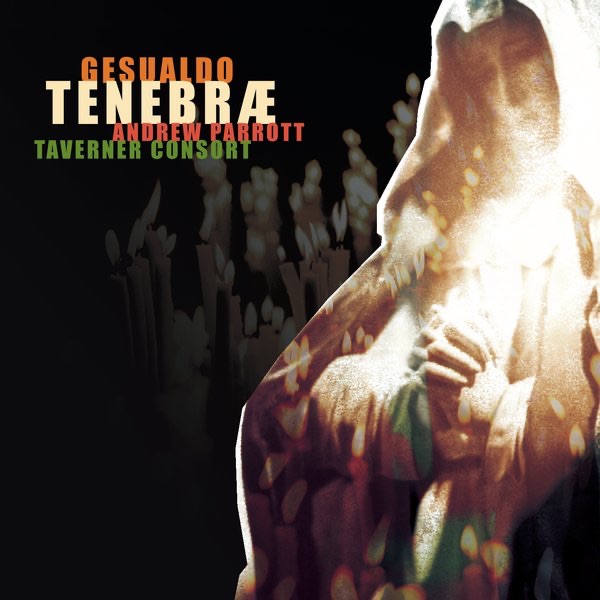
Works Info
Composer:Carlo GesualdoGenre:ChoralStyle:ResponsoryCompose Date:1611Average_duration:5:19Tenebrae factae sunt, W. 7/51 is a sacred choral work composed by Carlo Gesualdo, an Italian composer and nobleman of the late Renaissance period. The piece was composed in the late 16th century and is part of a larger collection of works known as the Tenebrae Responsories. The premiere of Tenebrae factae sunt is not well-documented, but it is believed to have been performed during Holy Week, a period of intense religious observance leading up to Easter. The work is divided into three movements, each of which corresponds to a specific part of the Tenebrae service. The first movement, "Tenebrae factae sunt," is a setting of the text from the Gospel of Matthew describing the darkness that fell over the land during the crucifixion of Jesus. The music is characterized by its use of chromaticism and dissonance, which create a sense of tension and unease. The second movement, "Aestimatus sum," is a setting of a text from the Book of Psalms in which the speaker laments his own suffering and persecution. The music is more subdued than the first movement, with a slower tempo and a more contemplative mood. The final movement, "Tradiderunt me," is a setting of the text describing the betrayal of Jesus by Judas. The music is marked by its use of sudden shifts in dynamics and texture, as well as its use of dissonant harmonies and unexpected chord progressions. Overall, Tenebrae factae sunt is a powerful and emotionally charged work that reflects Gesualdo's unique compositional style. His use of chromaticism and dissonance, as well as his willingness to experiment with unconventional harmonies and textures, set him apart from his contemporaries and make his music still relevant and compelling today.More....