Nikolai Roslavets
Sonata for violin and piano, No. 4
Released Album
Recent Album
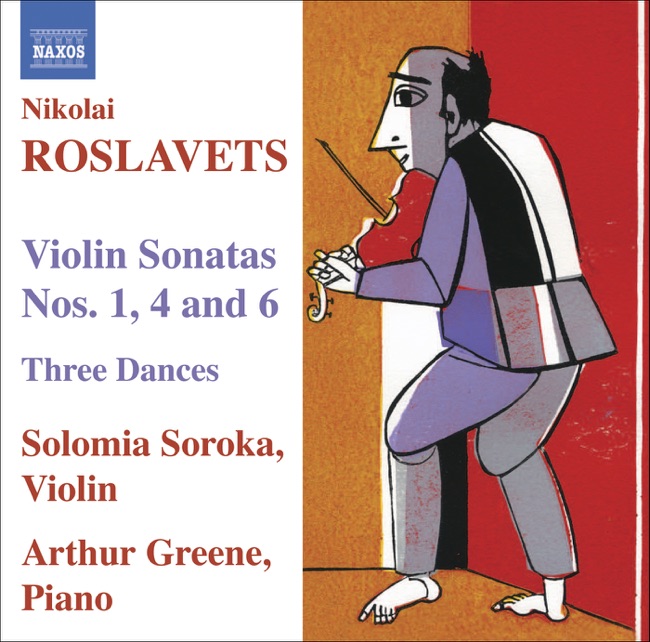
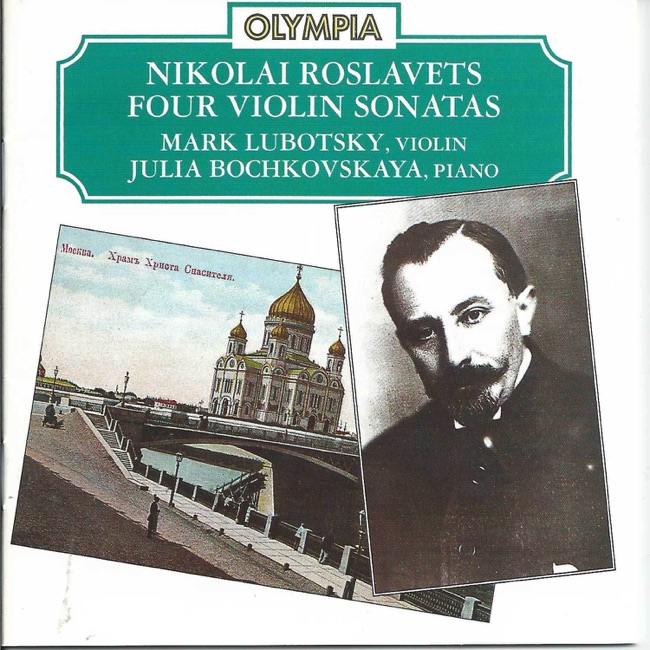
Works Info
Composer:Nikolai RoslavetsGenre:ChamberStyle:SonataCompose Date:1920Average_duration:15:12Nikolai Roslavets' Sonata for violin and piano, No. 4, was composed in 1922 and premiered in Moscow the same year. The piece is divided into three movements: Allegro moderato, Adagio, and Allegro con brio. The first movement, Allegro moderato, begins with a lyrical violin melody accompanied by a simple piano accompaniment. The music gradually builds in intensity, with the violin and piano engaging in a lively dialogue. The movement features complex rhythms and harmonies, with Roslavets' use of dissonance creating a sense of tension and unease. The second movement, Adagio, is a slow and introspective piece. The violin and piano take turns playing the mournful melody, with the piano providing a gentle accompaniment. The movement is characterized by its use of chromaticism and Roslavets' signature "sound-mass" technique, in which individual notes are subsumed into a larger, more complex texture. The final movement, Allegro con brio, is a lively and energetic piece. The violin and piano engage in a playful dialogue, with the music alternating between moments of frenzied activity and moments of calm reflection. The movement features complex rhythms and harmonies, with Roslavets' use of polytonality creating a sense of disorientation and unpredictability. Overall, Roslavets' Sonata for violin and piano, No. 4, is a challenging and innovative work that showcases the composer's unique approach to harmony and form. The piece is characterized by its use of dissonance, chromaticism, and polytonality, as well as its incorporation of Roslavets' "sound-mass" technique. Despite its technical difficulty, the sonata remains a popular and influential work in the violin and piano repertoire.More....
Works Music