Gioseffo Guami
Canzon "La Guamina"
Released Album
Recent Album
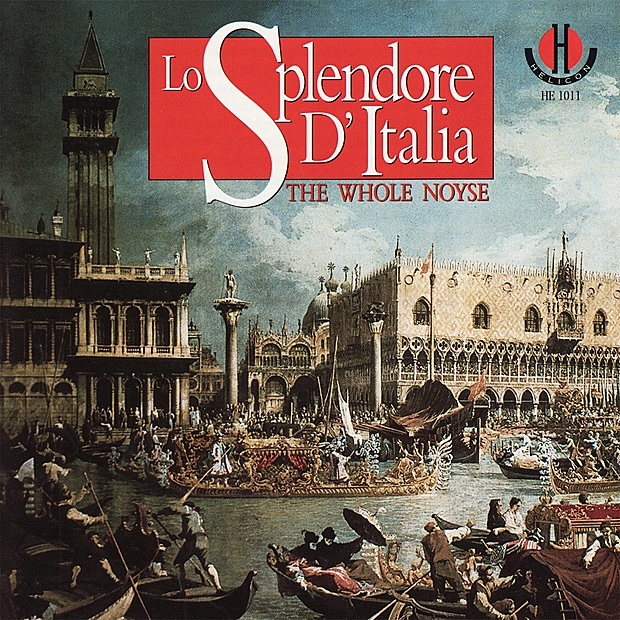
Featured Album
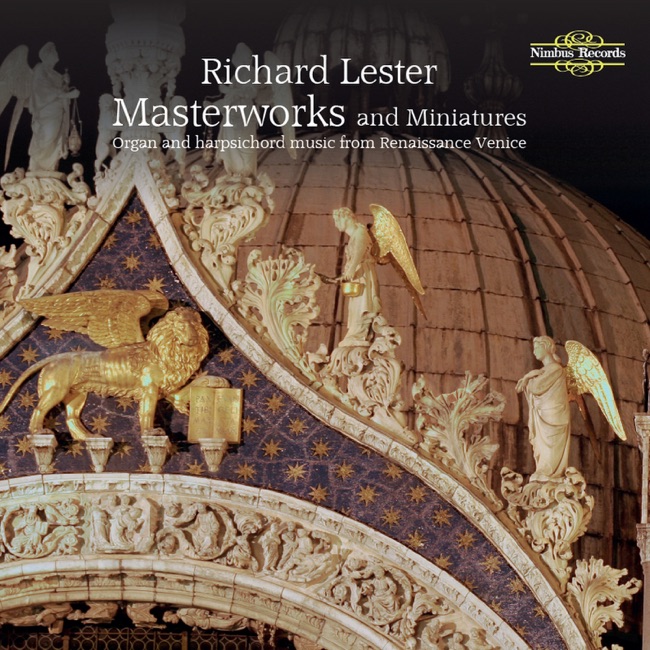
Works Info
Composer:Gioseffo GuamiStyle:CanzonaAverage_duration:2:06Gioseffo Guami was an Italian composer and singer of the late Renaissance period. He was born in Lucca, Italy, in 1542 and died in Venice in 1611. Guami was a prominent member of the Venetian School of composers, which was known for its innovative use of harmony and counterpoint. One of Guami's most famous works is the Canzon La Guamina, which was composed in the late 16th century. The piece is a canzon, which is a type of instrumental music that was popular in the Renaissance period. Canzons were typically written for a group of instruments, such as a consort of viols or a group of brass instruments. The Canzon La Guamina is written for a group of six instruments: two cornetts, two trombones, and two bassoons. The piece is divided into three movements, each of which has a different character and tempo. The first movement is marked "Allegro," which means fast and lively. This movement features a lively and energetic melody that is passed between the different instruments. The use of counterpoint is particularly notable in this movement, as the different parts weave in and out of each other in a complex and intricate way. The second movement is marked "Adagio," which means slow and stately. This movement is more contemplative and introspective than the first, with a more subdued melody and a greater emphasis on harmony. The use of dissonance in this movement is particularly striking, as Guami uses it to create tension and drama. The third movement is marked "Allegro," like the first. This movement is more playful and lighthearted than the others, with a jaunty melody that is passed between the different instruments. The use of syncopation in this movement is particularly notable, as Guami uses it to create a sense of rhythmic complexity and excitement. Overall, the Canzon La Guamina is a masterful example of Renaissance instrumental music. It showcases Guami's skill as a composer and his ability to create complex and intricate works that are both beautiful and engaging. The piece premiered in the late 16th century and has remained popular among musicians and audiences ever since.More....