


Johann Sebastian Bach
Fugue for lute in G minor, BWV 1000
Released Album
Recent Album
-

-
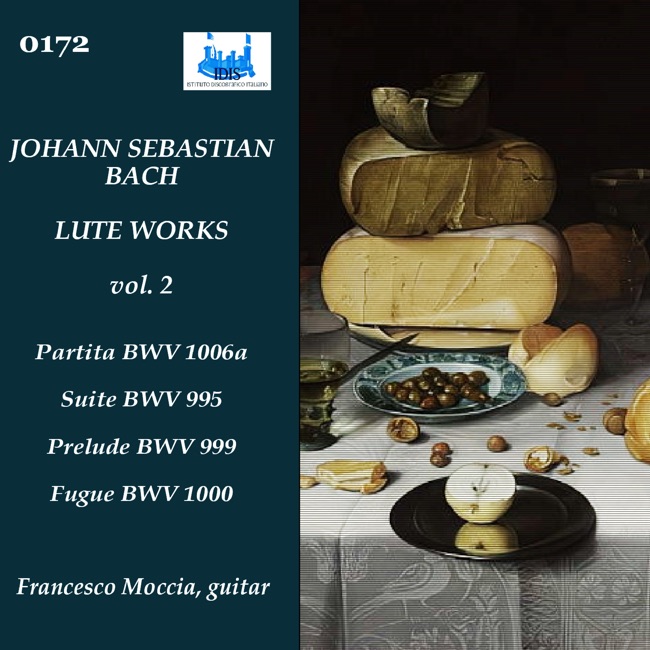
-
-
 Geoffrey Jubault, PHDNovember 26, 2023
 -

-
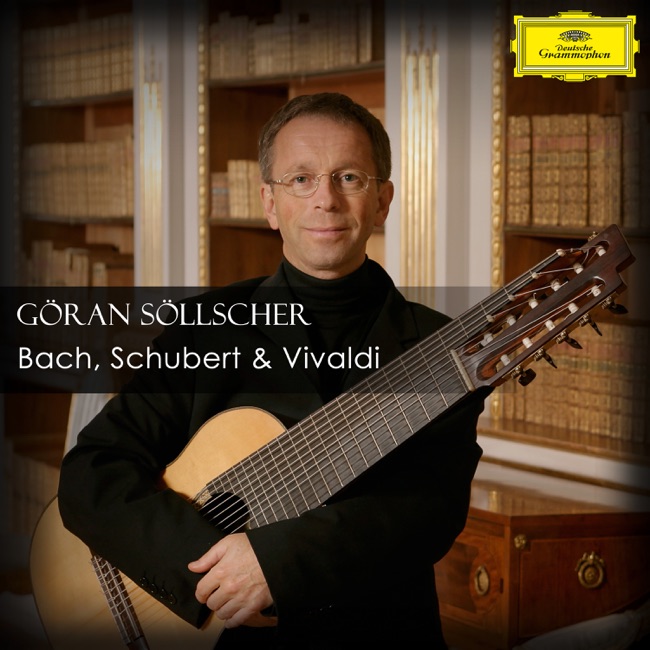
-
-
-

-
-

-

Featured Album

Works Info
Composer:Johann Sebastian BachGenre:ChamberStyle:FuguePublication Date:1982Average_duration:5:37Johann Sebastian Bach's Fugue for lute in G minor, BWV 1000, is a solo instrumental work composed in the early 18th century. The exact date of composition is unknown, but it is believed to have been written sometime between 1703 and 1740. The piece was originally written for the lute, an instrument that was popular in the Baroque era, but it is often performed on the guitar today. The Fugue for lute in G minor, BWV 1000, is a three-movement work that showcases Bach's mastery of counterpoint and his ability to create complex musical structures. The first movement is a fugue, a form of composition in which a single theme is introduced and then developed by multiple voices. The second movement is a double, which is a variation on the original theme. The final movement is a gigue, a lively dance in triple meter. The fugue begins with a simple, yet memorable theme that is introduced by the lute. The theme is then repeated and developed by the other voices, creating a complex web of interweaving melodies. Bach uses a variety of techniques to create interest and tension in the music, including imitation, inversion, and augmentation. The double is a variation on the original theme, with the melody played in a different key and with different rhythms. The gigue is a lively dance that brings the piece to a joyful conclusion. One of the characteristics of Bach's music is his use of counterpoint, which is the art of combining multiple melodies to create a harmonious whole. In the Fugue for lute in G minor, BWV 1000, Bach demonstrates his mastery of this technique, creating a complex and intricate musical structure that is both beautiful and intellectually stimulating. Another characteristic of Bach's music is his use of harmony, which is the way that chords are used to create a sense of tension and release. In the Fugue for lute in G minor, BWV 1000, Bach uses a variety of chords and harmonic progressions to create a sense of movement and excitement. Overall, the Fugue for lute in G minor, BWV 1000, is a masterpiece of Baroque music that showcases Bach's incredible skill as a composer. Its intricate counterpoint, complex harmonies, and joyful dance rhythms make it a favorite among musicians and audiences alike.More....
Works Music
Released Music


3
5:40
4
6:9

7
6:7
8
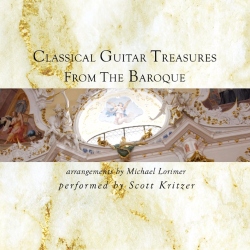
5:34

10
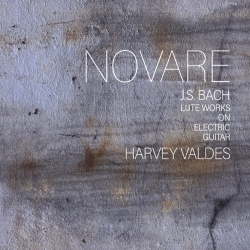
5:39
Featured Music
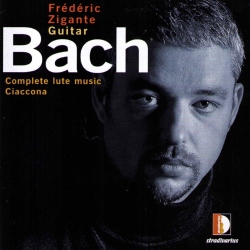
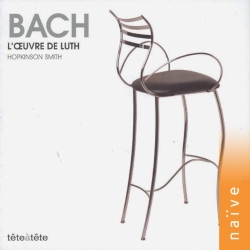
3
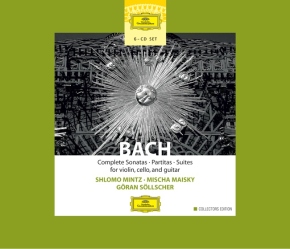
5:33
4
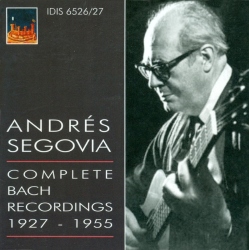
4:25
5
4:23
6
5:12

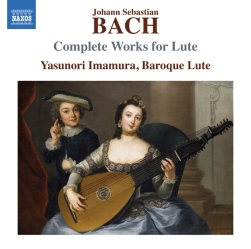
Main Perform Artists
Guitar
Guitar
Lute
Guitar
Guitar