Heinrich Ignaz Franz von Biber
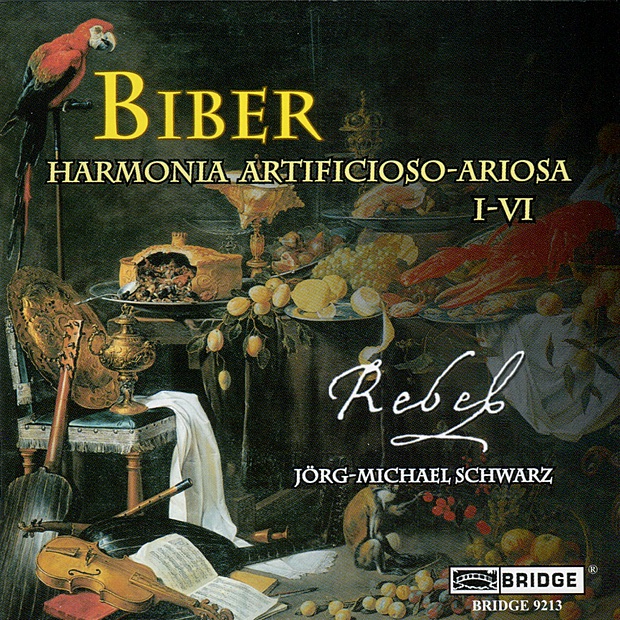
Partia, for 2 violins & continuo No. 1 in D minor, C. 62
Works Info
Composer:Heinrich Ignaz Franz von BiberGenre:ChamberStyle:PartitaCompose Date:1696Publication Date:1696Average_duration:16:34Movement_count:6Movement ....Heinrich Ignaz Franz von Biber was a prominent composer and violinist of the Baroque era. He is known for his innovative use of scordatura, a technique that involves tuning the strings of the violin in a non-standard way to produce unique and unusual sounds. One of his most famous works is the Partia No. 1 in D minor, C. 62, which was composed for two violins and continuo. The Partia No. 1 in D minor was composed in the late 17th century, around 1680. It is believed to have been premiered in Salzburg, where Biber was employed as a court musician. The work consists of six movements, each with its own distinct character and style. The first movement, marked "Preludio," is a lively and energetic piece that showcases Biber's virtuosic violin writing. The second movement, "Allamande," is a slow and stately dance in triple meter. The third movement, "Courante," is a fast and lively dance in duple meter, featuring intricate violin duets and lively rhythms. The fourth movement, "Sarabande," is a slow and solemn dance in triple meter, characterized by its expressive melodies and rich harmonies. The fifth movement, "Gigue," is a fast and lively dance in compound meter, featuring intricate violin duets and lively rhythms. The final movement, "Gavotte," is a lively and playful dance in duple meter, featuring lively rhythms and playful melodies. Overall, the Partia No. 1 in D minor is a masterful work that showcases Biber's skill as a composer and violinist. Its innovative use of scordatura and its intricate violin duets make it a unique and memorable work in the Baroque repertoire.More....
Works Music
Released Music