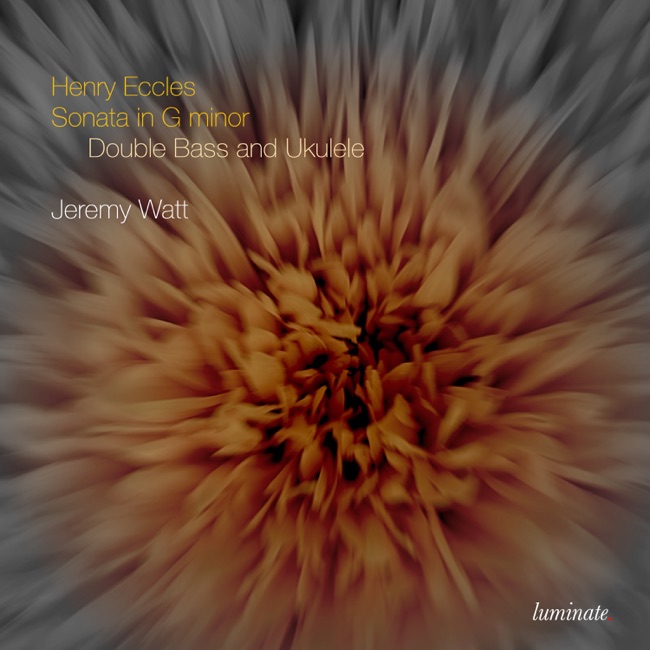
Henry Eccles
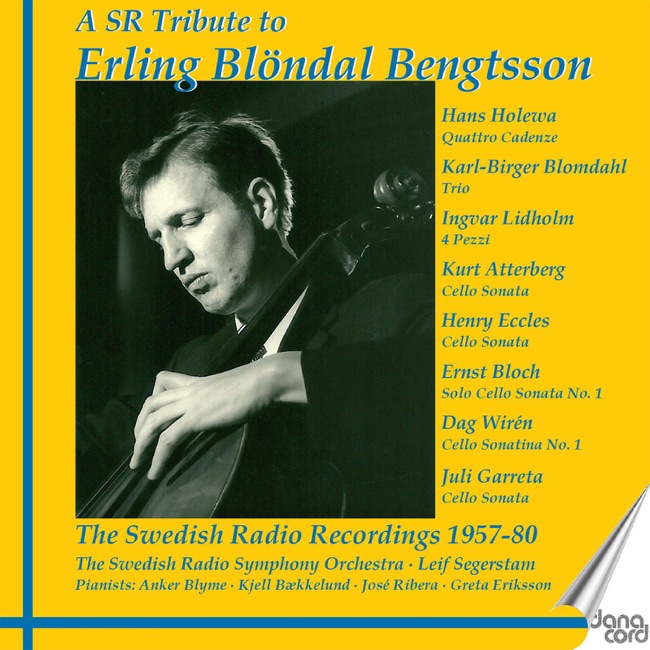
Sonata for cello & continuo in G minor
Released Album
Recent Album

Works Info
Composer:Henry EcclesGenre:MiscellaneousStyle:SonataAverage_duration:7:21Movement_count:4Movement ....The Sonata for cello & continuo in G minor is a Baroque composition by Henry Eccles, a British composer and violinist who lived in the late 17th and early 18th centuries. The exact date of composition is unknown, but it is believed to have been written in the early 1700s. The sonata is written for cello and continuo, which typically includes a harpsichord and a bass instrument such as a cello or bassoon. The sonata is comprised of four movements: Adagio, Allegro, Adagio, and Presto. The first movement, Adagio, is a slow and melancholic introduction that sets the tone for the rest of the sonata. The second movement, Allegro, is a lively and energetic dance-like movement that showcases the technical abilities of the cello. The third movement, Adagio, is another slow and expressive movement that allows the cello to sing and emote. The final movement, Presto, is a fast and virtuosic movement that brings the sonata to a thrilling conclusion. The Sonata for cello & continuo in G minor is a prime example of Baroque music, characterized by its use of ornamentation, counterpoint, and basso continuo. The cello is the primary instrument in the sonata, with the continuo providing a supportive and harmonic foundation. The sonata is also notable for its use of improvisation, which was a common practice in Baroque music. Overall, the Sonata for cello & continuo in G minor is a beautiful and expressive work that showcases the technical and musical abilities of the cello. Its four movements provide a diverse range of emotions and moods, making it a popular choice for cellists and audiences alike.More....
Works Music
Released Music