Johann Pachelbel
Toccata, for organ in C major (V), T. 235
Released Album
Recent Album
Works Info
Composer:Johann PachelbelGenre:KeyboardStyle:ToccataCompose Date:before Apr 1706Average_duration:2:15Johann Pachelbel's Toccata in C major (V), T. 235 is a piece of music for the organ. It was composed in the Baroque era, around the late 17th century. The exact date of composition is not known, but it is believed to have been written sometime between 1680 and 1700. The piece is one of Pachelbel's most famous works and is often performed in recitals and church services. The Toccata in C major is a single-movement piece that is characterized by its fast and virtuosic passages. It is written in a binary form, with two contrasting sections that are repeated. The first section is in C major and is marked by a lively and energetic theme that is played in the right hand. The left hand provides a steady accompaniment with broken chords and arpeggios. The second section is in G major and is more subdued and contemplative. It features a slower melody that is played in the left hand, while the right hand provides a simple accompaniment. The Toccata in C major is a prime example of Pachelbel's style, which is characterized by its use of counterpoint and harmony. The piece features a complex interplay of voices, with each hand playing a distinct melody that weaves in and out of the other. Pachelbel also makes use of pedal points, which are sustained notes played by the organ's pedals that provide a foundation for the rest of the music. The Toccata in C major was premiered on the organ, which was the primary instrument of the Baroque era. It was likely performed in a church or other religious setting, as Pachelbel was a prolific composer of sacred music. The piece has since become a staple of the organ repertoire and is often used as a showcase for the instrument's capabilities. In conclusion, Johann Pachelbel's Toccata in C major (V), T. 235 is a masterpiece of Baroque music. Its fast and virtuosic passages, complex interplay of voices, and use of counterpoint and harmony make it a prime example of Pachelbel's style. The piece was likely premiered on the organ in a religious setting and has since become a staple of the organ repertoire.More....
Works Music
Released Music
1
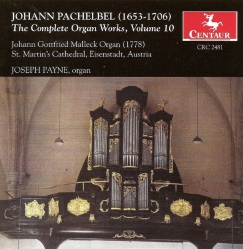
2:5
2
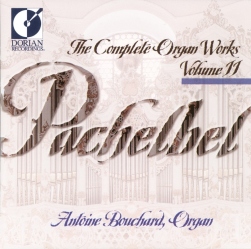
2:30