Anton Kraft
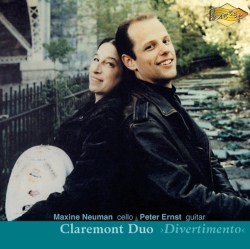
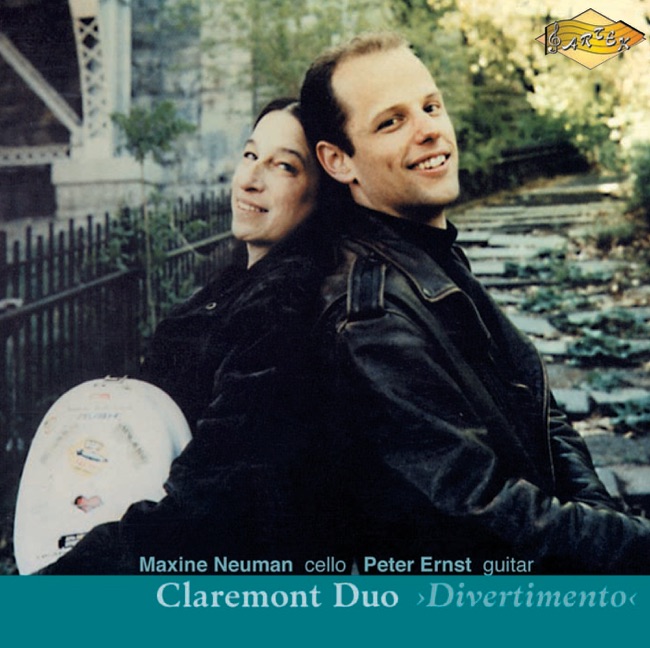
Divertimento for cello & guitar
Released Album
Recent Album


Works Info
Composer:Anton KraftGenre:ChamberStyle:DivertimentoAverage_duration:7:02Movement_count:3Movement ....Anton Kraft's "Divertimento for cello & guitar" is a delightful piece of music that was composed in the late 18th century. The exact date of composition is not known, but it is believed to have been written around 1790. The piece was premiered in Vienna, Austria, where Kraft was a prominent cellist and composer. The "Divertimento" is a three-movement work that showcases the virtuosity of both the cello and the guitar. The first movement is a lively Allegro that features a playful dialogue between the two instruments. The cello takes the lead with a jaunty melody that is echoed by the guitar. The second movement is a beautiful Adagio that is more introspective in nature. The cello takes center stage with a mournful melody that is accompanied by the guitar's delicate arpeggios. The final movement is a lively Rondo that brings the piece to a joyful conclusion. The cello and guitar trade off playful melodies and virtuosic runs, building to a thrilling finale. One of the most notable characteristics of the "Divertimento" is its use of the guitar as an equal partner to the cello. At the time of its composition, the guitar was still considered a secondary instrument, often used only for accompaniment. Kraft's decision to feature the guitar as a solo instrument alongside the cello was groundbreaking and helped to establish the guitar as a legitimate solo instrument in classical music. Another characteristic of the "Divertimento" is its lightness and playfulness. The piece is full of charming melodies and witty musical exchanges between the cello and guitar. It is a perfect example of the divertimento genre, which was popular in the late 18th century and was characterized by its light, entertaining nature. Overall, Anton Kraft's "Divertimento for cello & guitar" is a delightful piece of music that showcases the virtuosity of both instruments. Its playful melodies and witty exchanges make it a joy to listen to, and its historical significance as a groundbreaking work for the guitar in classical music make it an important piece in the canon of classical music.More....